
uPVC Sash Windows: Types, Cost, Pros and Cons
Fitted double-glazed uPVC sash windows cost about £520–£1,000 per window in 2026, rising to around £2,000 for heritage-grade profiles, depending on size and finish.
Since the 17th century, sash windows have taken centre frame amongst the highly admired window types in the UK. After decades of technological advancements and innovation, they have now pushed past being mainly a symbol of affluence to evolve as one of the most classic yet modernly efficient window profiles of today.
In this guide, you will discover how far sash windows have travelled in terms of functionality and affordability with the integration of a durable and low-cost material like unplasticized polyvinyl chloride (uPVC).

Key takeaways
• uPVC sash windows are fully customizable and may be configured to match the aesthetics of both modern and period (Georgian, Victorian, or Edwardian) properties.
• On average, a single uPVC sash window costs around £500 – £800 while double glazed units could cost around £600 – £1,130. The price range of installing 5 windows in a terraced home costs £3,000 – £4,350. These prices may fluctuate depending on window specifications and other factors.
• When comparing the affordability of the three common window materials, a uPVC sash window is the most budget-friendly (£720 – £1,160), followed by aluminium sash window (£1,180 – £1,670), and timber sash window (£1,610 – £2,360).
• Among the key benefits of uPVC sash windows are their high durability, low maintenance, cost-effectiveness, and thermal efficiency.
• Compared to their aluminium and timber counterparts, however, they are found to have a shorter lifespan and a lower sustainability.

Compare Window Prices

Get quotes from local installers
1 fast form = 4 low quotes
Save up to £703 per year


What you’ll see here:
What is a uPVC Sash Window?
A sash window, also called a hung window, is a vertically sliding window consisting of two panels termed “sashes”. To operate them, window furniture like sash rings or lifts are typically attached to the panels to slide them up and down.
Sash windows may be built using different materials to fit the requirements of various properties. Traditionally, they are made of wood or timber but recent technology has allowed them to come in uPVC framings as well.
A form of engineered plastic, uPVC contains no plasticisers which makes it highly flexible. On top of that, it is also fire retardant, impenetrable, non-reactive to common chemicals, lightweight, durable, and resistant to UV light. These properties make uPVC a popular material for all kinds of windows, including sash windows.
Types of uPVC Sash Windows
A uPVC sash window can have several styles. Below are some of its most widely adopted versions according to variations in opening mechanisms, grid-like patterns, and glazing.
Single hung vs. double hung uPVC Sash Windows
When only one panel of the uPVC sash window is movable for opening or closing, it can be further categorized as a single hung uPVC sash type. If both panels are movable, that is, the bottom sash can slide up and the top sash can slide down, it’s called a double hung uPVC sash window.
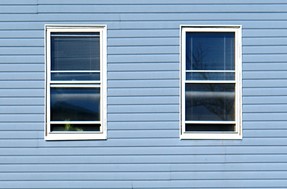
Georgian, Victorian, and Edwardian uPVC Sash Windows
During the historical eras when sash windows dominated the window architectural scene, small glass panes were often connected using vertical and horizontal bars to form large grid-like windows. Even though it’s already possible to manufacture big single sheets of glass nowadays, many property owners still choose to retain the traditional look of their sash windows by fitting glazing bars into them.
Here are three vintage-style uPVC sash windows that can be found throughout the UK:
| Georgian uPVC Sash Window Consists of large glass sheets fitted with Georgian or Astragal bars to achieve the 6 over 6 sectioned appearance of original Georgian windows. |  |
| Victorian uPVC Sash Window Typically consists of a 2 over 2 grid-like pattern. Other versions may also exhibit arched windows with decorative glass detailing. | 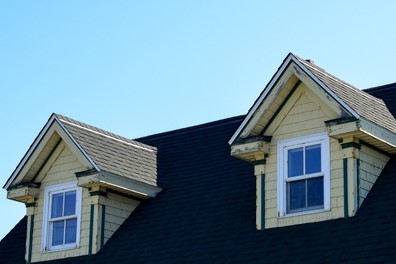 |
| Edwardian uPVC Sash Window Has smaller glass sections on the upper sash and a large uninterrupted pane at the bottom. Another configuration is the 6 over 2 grid-like pattern. |  |
Double and Triple Glazed uPVC Sash Windows
With today’s growing need for sustainable and eco-friendly design solutions, homeowners are progressively shifting from regular single paned uPVC sash windows to their energy efficient double glazed or triple glazed counterparts.
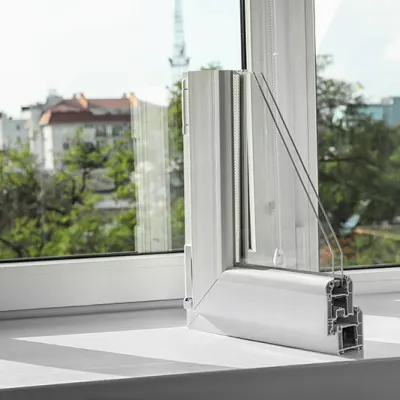
Double glazing involves two sheets of glass that are tightly sealed together to form a moisture and dust-proof unit. Between the sheets is a gap filled with inert gas, increasing the insulating capacity of the window. This technology has been known to significantly improve the energy efficiency of a property amongst several other benefits. Triple glazing follows the same concept but adds a third sheet of glass and a second gas-filled space to the entire set-up.
To help you determine which technology is best suited for you, refer to our comparative guide about double and triple glazing in this side-by-side comparison.
Customization Options for uPVC Sash Windows
Window installers offer various style options for uPVC sash windows, making it fairly easy for you to come up with your own combination of styles and tailor your windows to a particular theme.
Window and Frame
| Colour | standard colours like white, black, or grey; dual-colours, woodgrain, or RAL-colours |
| Bars | Astragal or Georgian bars in Georgian, Victorian, or Edwardian style |
| Sash horns | none, seahorse, run through, or plant on |
| Cills | none, stub, standard, deep |
| Sash | none, square, or supplier-custom |
| Trickle Vent | yes/no |
| Handles and other furniture | different designs and colours to match the frame |
Glass
| Energy Efficiency Rating | A, B, or solar control glass |
| Glazing Type | double or triple glazing |
| Glass Type | • clear • low emissivity, low iron • frosted, obscure, decorative • toughened, acoustic laminated |
| Design | none, square lead, or diamond lead |
uPVC Sash Windows Cost in 2024
The cost of uPVC sash windows in 2024 is influenced by numerous factors including the number of windows to be installed, their sizes, frame materials, glass type, and other characteristics. On average, one window can cost anywhere between £500 to £800.
Below is additional data on the estimated price range of uPVC sash windows according to different specifications, as well as a glimpse of their affordability against other construction materials.
Cost by hung type
| Single hung | Double hung |
|---|---|
| £500 – £700 | £750 – £1,050 |
Cost by size and colour/finish
| Window Size | White | Woodgrain |
|---|---|---|
| 500 × 500 | £520 – £630 | £630 – £720 |
| 1000 × 500 | £600 – £720 | £700 – £800 |
Cost by size and glazing
| Window Size | Double Glazing | Triple Glazing |
|---|---|---|
| 1000 × 500 | £600 – £750 | £720 – £900 |
| 1000 × 1000 | £750 – £940 | £900 – £1,130 |
| 1200 × 1200 | £900 – £1,130 | £1,060 – £1,350 |
Cost by type of home
| Home Type | Number of Windows | Price Range |
|---|---|---|
| Flat | 4 | £2,400 – £3,200 |
| Terraced | 5 | £3,000 – £4,350 |
| Semi-detached | 7 | £3,700 – £5,200 |
| Semi-detached | 9 | £4,400 – £6,600 |
| Detached | 12 | £6,200 – £7,550 |
| Detached | 15 | £7,200 – £9,400 |
Cost of uPVC vs Aluminium vs Timber Sash Windows
| Number of Windows | uPVC | Aluminium | Timber |
|---|---|---|---|
| 1 | £720 – £1,160 | £1,180 – £1,670 | £1,610 – £2,360 |
| 2 | £1,440 – £2,320 | £2,360 – £3,350 | £3,220 – £4,710 |
| 3 | £2,160 – £3,480 | £3,530 – £5,020 | £4,840 – £7,070 |
| 4 | £2,880 – £4,640 | £4,710 – £6,700 | £6,450 – £9,420 |
| 5 | £3,600 – £5,800 | £5,890 – £8,370 | £8,060 – £11,780 |
| 6 | £4,320 – £6,960 | £7,070 – £10,040 | £9,670 – £14,140 |
Pros and Cons of uPVC Sash Windows
This section presents the benefits and potential drawbacks of uPVC sash windows to help you evaluate whether or not they are the most suitable window type for your space.

Pros of uPVC Sash Windows
1. Budget-friendly. Perhaps the most popular advantage of uPVC sash windows is its high affordability. They’re reportedly priced about 30% – 40% lower than aluminium and up to 50% lower than timber.
2. Durable. uPVC is resistant to corrosion, rust, damage, fire, and harsh weather, making uPVC sash windows an ideal choice for properties that are prone to such conditions.
3. Low and easy maintenance. uPVC sash windows require little maintenance, unlike timber sash windows that would need regular sanding, varnishing, repainting, or termite control. If you live in an urbanized area, it is recommended to clean your windows every 3 months, but you only need to do so twice a year if you live somewhere with a cleaner environment.
4. Energy efficient. uPVC is an effective insulator and has great thermal efficiency. When fortified with double or triple glazing, uPVC sash windows become highly energy efficient which may then translate into energy savings.
5. Lightweight and compact. uPVC is the most lightweight among the three construction materials which makes the installation process quicker and easier. Owing to their sliding mechanism, uPVC sash windows are also perfect for properties with limited spaces.
6. Visually appealing. They impart an artistic flair to the properties they’re built in, thereby elevating their visual appeal and positively impacting their value.
7. Secure. On top of their durable nature, uPVC sash windows are also compatible with various security furniture. This is an important feature for people who prioritize safety and peace of mind.

Cons of uPVC Sash Windows
1. Less eco-friendly. uPVC is recyclable up to 10 times. However, it is not like aluminium which can be recycled perpetually without losing its properties or timber which is 100% biodegradable.
2. Non-traditional. While they can be styled with a woodgrain finish to mimic the original look of sash windows, uPVC frames do not exhibit the same effect as timber when examined up close. You might also need to seek planning permission before you can install uPVC sash window replacements in a listed building or conservation area.
3. Shorter lifespan. Compared to aluminium sash windows which can last between 30 – 40 years and timber sash windows which may last up to 60 years, uPVC sash windows have a shorter average lifespan of 20 years.
Where to get uPVC Sash Windows in the UK?
If you’re liking the idea of having your own uPVC sash windows after carefully weighing their upsides and downsides, the next major step would be finding a reputable installer near you. Below are 5 of the leading and trusted window companies in the UK.
| 1. Everest |  | • basic and woodgrain colour range, two-tone, no RAL colour • strong, durable, and secure windows • double glazing • 20 to 25-year lifespan • 10-year insurance backed guarantee for the whole window and hardware • 10-year guarantee against fog and condensation on gas gap • 20-year and lifetime guarantee options for uPVC exclusives |
| 2. Anglian Home Improvements |  | • basic and woodgrain colour range, two-tone, no RAL colour • energy efficient, energy saving, robust • double glazing option (A to A+ rating) • secure • lasts for 20 – 25 years • 10-year insurance backed guarantee for the whole window • 15-year guarantee on sealed unit • 10-year guarantee on hardware |
| 3. Roseview |  | • basic, woodgrain, two-tone, and bespoke RAL colour • energy efficient, energy saving, high quality uPVC • double glazing option (A to A+ rating) • secure and with noise insulation • 10-year product insurance |
| 4. Evander |  | • durable frames • different colours and finishes available • thermally efficient • 10-year window guarantee • 1-year guarantee on repairs and workmanship • approved by insurance companies |
| 5. Colin’s Sash Windows |  | • basic, woodgrain, two-tone, and bespoke RAL colour • double glazed – argon gas filled, low E glass • “A” energy rating (1.4 U-Value) • toughened glass on the bottom sash • 10-year guarantee |
You may visit the individual websites of these suppliers to request a quote for double glazed sash windows, or you can save time and let Ecopreneurist secure the best deals for you. It is free, fast, and requires zero obligation on your end. You might even get up to 47% discount!
Which has a longer lifespan, uPVC, aluminium, or timber sash windows?
Timber sash windows. They can last up to 60 years while uPVC and aluminium sash windows last for about 20–25 years and 30 years, respectively.
What is the lead time for aluminium casement windows in the UK?
UK suppliers have different lead times for their uPVC sash windows but can take 1 to 4 weeks for the installation process to be complete, depending on the window and property specifications.
Are uPVC sash windows eco-friendly?
uPVC is an engineered plastic which may be recycled up to 10 times. However, it is not like aluminium which can be recycled perpetually without losing its properties or timber which is 100% biodegradable.
Now read:

Written By

Reviewed By
