
Double Glazing vs Triple Glazing: Which Is Best for UK Homes?
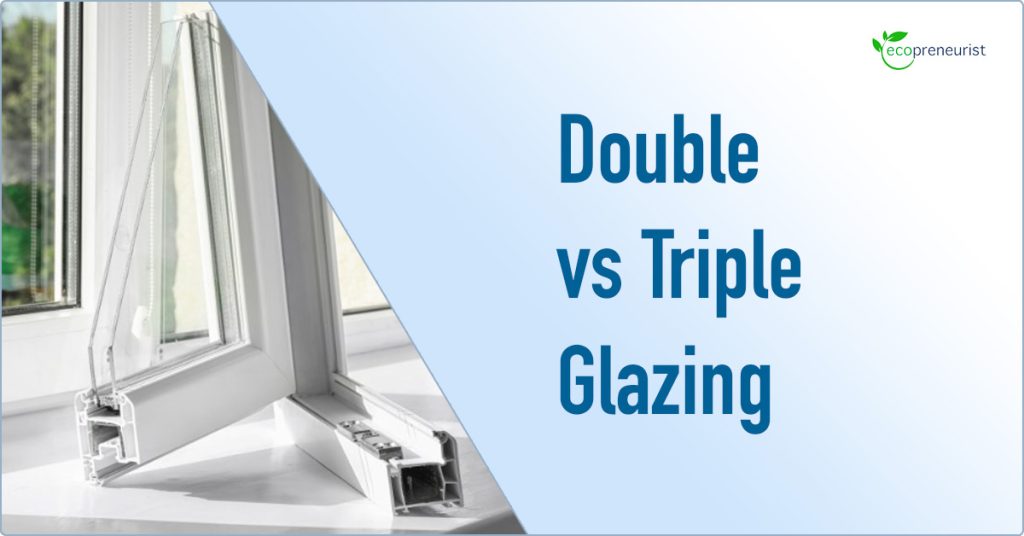
Are you having a hard time deciding if double glazing or triple glazing is best for your home?
Take a look at this guide to discover answers to your questions and gain the insights necessary to make the best decision for your home!
- Go for double glazing for year-round comfort, energy savings, and modern security features.
- Triple glazing offers maximum warmth, security, and home value, especially effective for noise reduction.
- Triple glazing costs £660 to £4,320 per window, while double glazing ranges from £600 to £3,600 per window.
- Double glazing may trap heat, limit styles, and incur higher costs.
- Triple glazing can lead to overheating and comes with a higher price tag.
- Consider your home’s insulation, weather conditions, and energy costs.
What you’ll find here:
Compare Window Prices

Get quotes from local installers
1 fast form = 4 low quotes
Save up to £703 per year


Every home is built differently, which is why selecting the right window glazing depends on your specific needs and standards. You may want to consider various factors in choosing appropriate window glazing, such as its performance, efficiency, benefits, and more.
The most often talked-about types of glazing in picking windows are double-glazing and triple-glazing. So, it’s important to know what these options in your hand really mean, especially if you’re a homeowner in the United Kingdom trying to balance functionality and cost.
Double Glazing vs Triple Glazing Benefits
First off, if you’re thinking about upgrading your windows, going for double glazing is like giving your home a year-round comfort boost. Not only does it make things cozier, but it’s also a pro at saving energy. Plus, modern security features are often bundled in to keep your place safe and sound.
Now, if you’re all about maximum warmth, triple glazing is the way to go. It’s not just an energy-efficient upgrade; it’s like wrapping your home in a cozy blanket. Extra security and added home value? Yep, it’s got that too.
Here’s the secret sauce: both double and triple glazing work their magic by having more than one pane of glass, creating a barrier against drafts. They’ve got a tiny gap (around 16 millimeters) filled with air or gasses like argon, sealing the deal on keeping your home warm and draft-free.
The main differences come from how well they work and how efficient they are:
| Difference | Double glazing | Triple Glazing |
|---|---|---|
| Heat Retention | Has an air gap that helps control the transfer of hot and cold air. | Has an extra air gap which improves in preventing heat loss or gaining solar heat. |
| Noise Reduction | 35 to 40 decibels | 35 to 40 decibels (the middle pane in triple glazing might increase vibrations and sound transfer.) |
| Security | Contains a thin plastic layer to prevent shattering if broken. | Has an extra pane and laminated glass to enhance break resistance. |
| Depth of Frames | Standard width: 28mm | Standard size: 36mm (challenging for existing frames) |
| High Insulation Levels | Ug value around 1.2 (Good at retaining heat but less effective than triple glazing.) | Ug value around 0.6 (Offers better heat retention than double glazing). |
Imagine if your house is near a busy road and you prefer less noise and want more safety. Getting new windows is the answer!
Double or triple-glazed windows can make your home quieter by blocking outside noise and making it harder for intruders to break in. Triple-glazed windows are especially good at keeping noise out and making it tough for intruders to get in.
Also, you’re likely to get some of that money back when you sell your house if you put in double or triple-glazed windows in your home.
Here’s why: These windows make your home more valuable by improving its Energy Performance Certificate (EPC). Homes with good EPC ratings can sell for up to 14% more.
Double Glazing vs Triple Glazing Costs
Switching from double to triple-glazed windows has many benefits, but what’s the catch? Triple glazing is more expensive, typically costing 10% to 20% more than double glazing. But, good news: Even though it costs more initially, you can save money on your energy bills in the long run.
The price difference is significant, especially if you plan to upgrade your entire home. The average price for triple glazing ranges from £660 to £4,320 per window, while double glazing ranges from £150 to £450 per window (for uPVC).
Remember: Installation adds costs, about £250 per day. More windows mean more time to install, increasing overall installation expenses for both double and triple glazing.
Check this table below, which estimates the average cost of buying and installing double or triple glazing based on the number of windows in a property:
| Number of windows | Double glazing costs | Triple glazing costs |
|---|---|---|
| 4 | £5,050 | £5,970 |
| 7 | £8,650 | £10,260 |
| 9 | £11,050 | £13,120 |
| 12 | £14,775 | £17,535 |
| 16 | £19,700 | £23,380 |
| 20 | £24,500 | £29,100 |
If you can afford it, go for triple glazing. It provides the same benefits as double glazing but is about 50% more insulating. This makes it a popular choice in very cold countries like Sweden and Canada, where it keeps homes warm and reduces energy use, leading to lower bills. But if the higher cost is a challenge, double glazing is still a good choice, especially in the relatively mild winters of the United Kingdom.
The Downsides: Double Glazing vs. Triple Glazing
But you know what else? These window glazings have their own downsides. For instance, if your house keeps heat inside, double-glazed windows might trap heat during a heatwave. But consider this, to cool down, close the windows during the hot part of the day and open them at night.
Also, you might have limited options for the style of double-glazed windows, especially in certain areas or on historical buildings. Sometimes, even if you get permission, it’s not practical to replace an old window. Secondary glazing can be a solution. Always check with your local authority for any rules that apply to your home.
In addition to that, double glazing can be expensive, depending on the brand, material, and size you choose. It can be affordable, but costs can rise if you go for pricier materials and styles.
While triple glazing, it is excellent at capturing and holding the sun’s heat. If your windows receive a lot of sunlight, rooms with triple glazing might become too hot in the summer. Moreover, triple glazing often costs more than double glazing. For what it’s worth, triple glazing may not be available in all materials or styles. It might not be suitable for some homes, like those in a conservation area or on a listed building.
Considerations for Double Glazing vs. Triple Glazing
But, like everything else, think about your home. If it’s old and not well-insulated, triple glazing might not save you much on energy bills. But, if your home is already well-insulated or you’re planning to make it better, triple glazing is a good choice. It stops heat from escaping and keeps every part of your home warm.
Consider some things such as how weather and how much energy costs can change. Also, British summers are getting warmer.
Triple glazing is great at keeping your home warm, but hold on! Imagine having super-insulated windows during a really hot three-week period. It might make your home too warm.
Here’s a smart idea: Use double glazing in rooms that get lots of sunlight (like those facing south and west). To get the best of both worlds, mix some triple glazing with double glazing. This way, colder rooms stay warmer in winter, and warmer rooms stay cooler in summer.
Do double and triple-glazing windows need the same amount of maintenance?
Yes, they both require similar maintenance. However, triple-glazing windows might have more complicated structures, which could mean higher maintenance costs over time.
Can I add triple-glazing to my existing double-glazing window?
It might be possible, but it often needs big changes and could be expensive. It’s best to talk to a professional to see if it’s worth it for you.
Do double and triple-glazing windows look different?
Not really. They can both look similar. But triple-glazing windows might seem a bit thicker because they have an extra glass layer.
Written By

Reviewed By
