
Triple Glazing Windows: Pros, Cons & Costs in 2026
A triple-glazed uPVC casement window typically costs about £550–£1,980 supplied and fitted, roughly 20% more than an equivalent double-glazed window.
Do you live in a town where it gets freezing during the winter season and the humidity triggers your allergies?
Or maybe your area has a ton of distracting noise pollution where loud neighbours and busy streets keep you up at night.
Have you ever wondered if there was a quick and sustainable way to address these problems while increasing your home’s security at the same time?
The answer: Triple glazing your windows.
In this guide you’ll find:
Compare My Glazing Prices

Get quotes from local installers
1 fast form = 4 low quotes
Save up to £703 per year


Average Triple Glazing Cost
Prices will fluctuate based on the window’s dimensions. That’s why many suppliers will give a quote cost for triple glazing per square meter.
In the UK, the average per square meter cost of triple glazing is approximately £1,200 compared to double glazing that costs £1,000 on average.
Remember: you should compare current market prices with Ecopreneurist to know the most updated price estimates.
What is Triple Glazing?
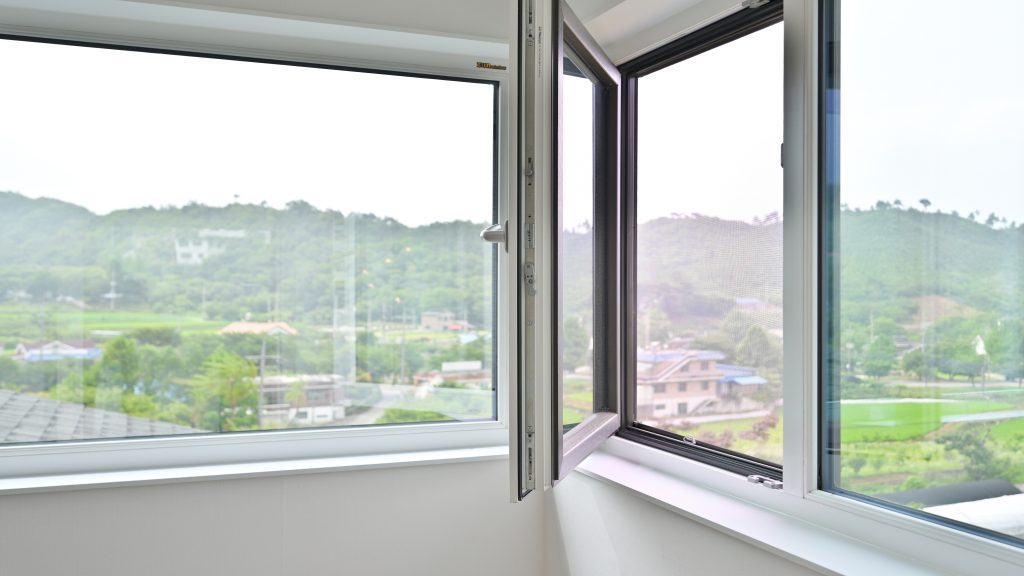
Triple glazing involves three layers of glass separated by gas-filled spaces within a window frame.
The layers are divided by spacer bars, and the gaps are filled with insulating air or gas, like argon or krypton to enhance insulation and energy efficiency compared to single or double glazing.
Benefits of Triple Glazing
Adding an extra pane of glass to your window might not sound like it would bring lots of benefits to your home but that’s where you’d be wrong.
Triple glazing provides superior insulation compared to double glazing, resulting in reduced energy costs and enhanced warmth during the winter.
The improved heat retention is particularly advantageous when replacing single or outdated, inefficient double glazing.
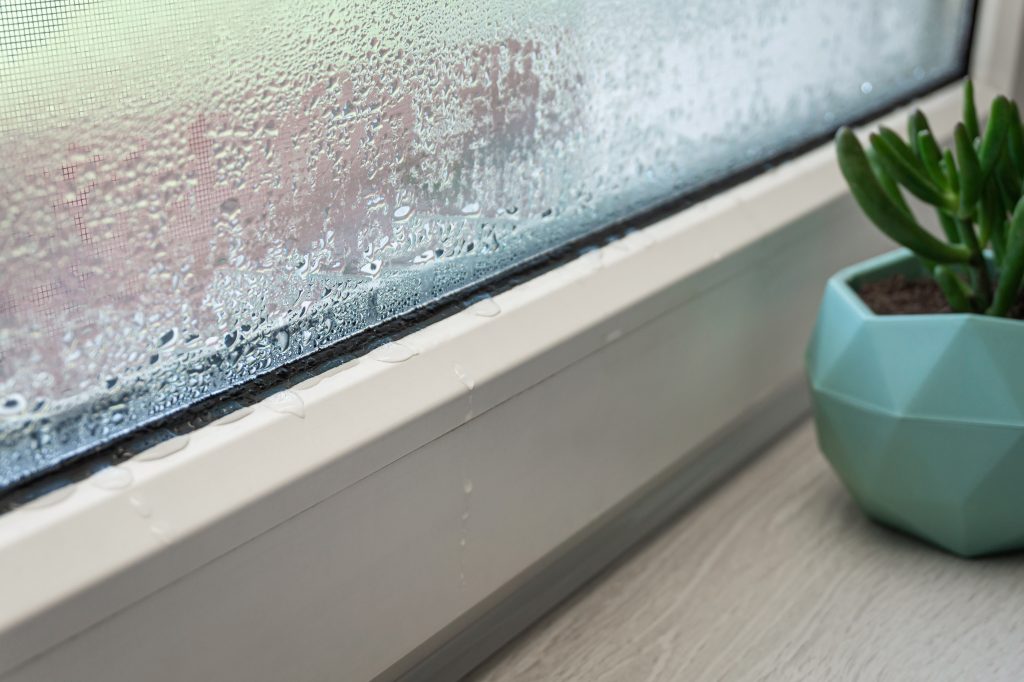
Additionally, triple glazing is more effective in minimizing condensation accumulation on your windows so you can prevent mould growth and dampness.
That’s not all!
Triple glazing minimizes noise by physically obstructing sound waves. You will experience significantly quieter homes after installing triple glazing.
Not only will triple glazing provide an additional layer of security because of its stronger frames and laminated glass options, but the laminated glass also delivers excellent acoustic performance by dampening sound waves.
Triple Glazing vs Double Glazing
Triple glazing and double glazing are two popular window insulation options, each offering distinct advantages.
The decision between triple and double glazing often depends on factors like climate, energy efficiency goals, and budget considerations.
| Triple Glazing | Double Glazing |
|---|---|
| Good for noise reduction | Less expensive |
| Stronger, more durable | Lighter panes |
| More energy-efficient, superior insulation | Harnesses more solar energy |
While double-glazing is a practical, more inexpensive choice with its lighter panes and ability to let a lot of natural sunlight in, triple-glazing outshines in challenging weather conditions as it provides heightened insulation and sustained energy savings over the long term.
You can compare current market prices with Ecopreneurist to determine the cost-effectiveness of your chosen window glazing before you make a final decision.
Window Styles Ideal for Triple Glazing
Casement Windows
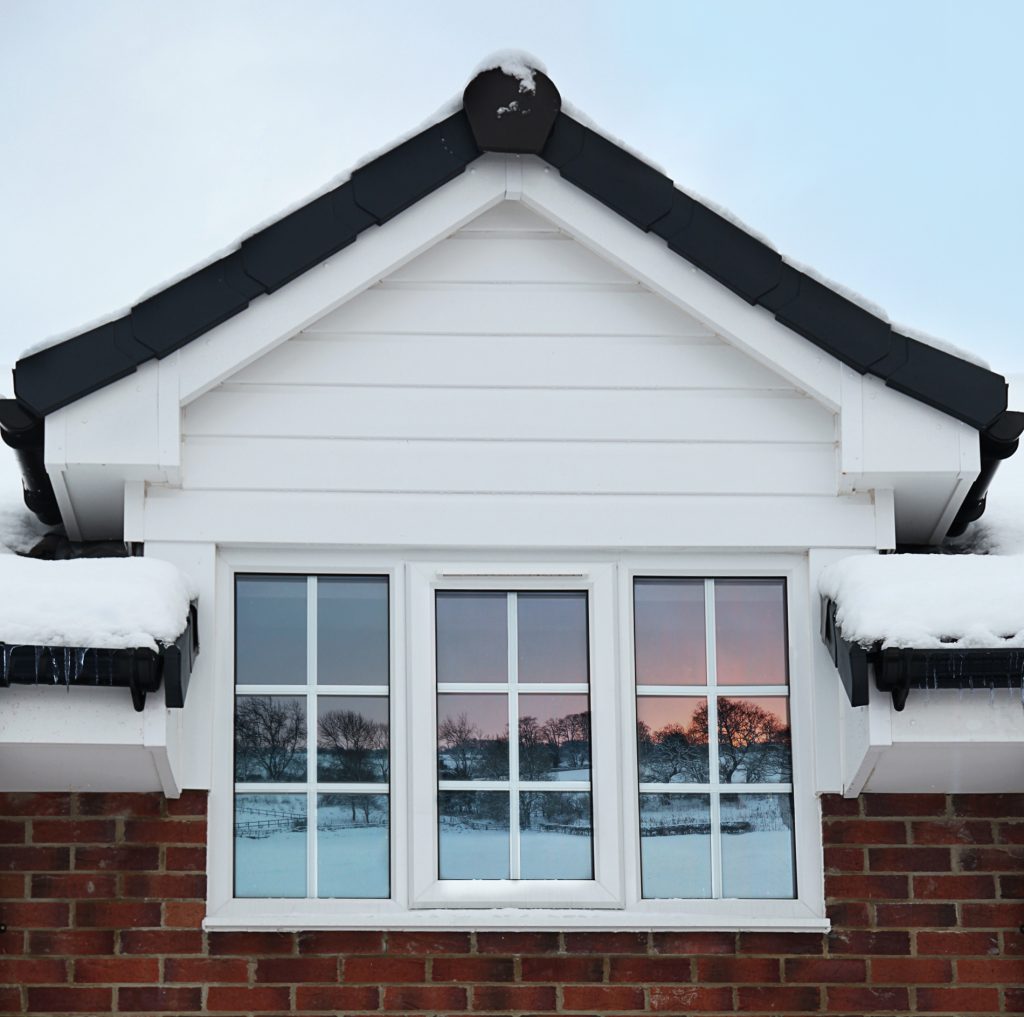
When casement windows are combined with triple glazing, homeowners can benefit from a high-performance window system.
The casement design allows for effective ventilation and a wide opening and will supplement the windows’ thermal efficiency and increased security.
Tilt and Turn Windows
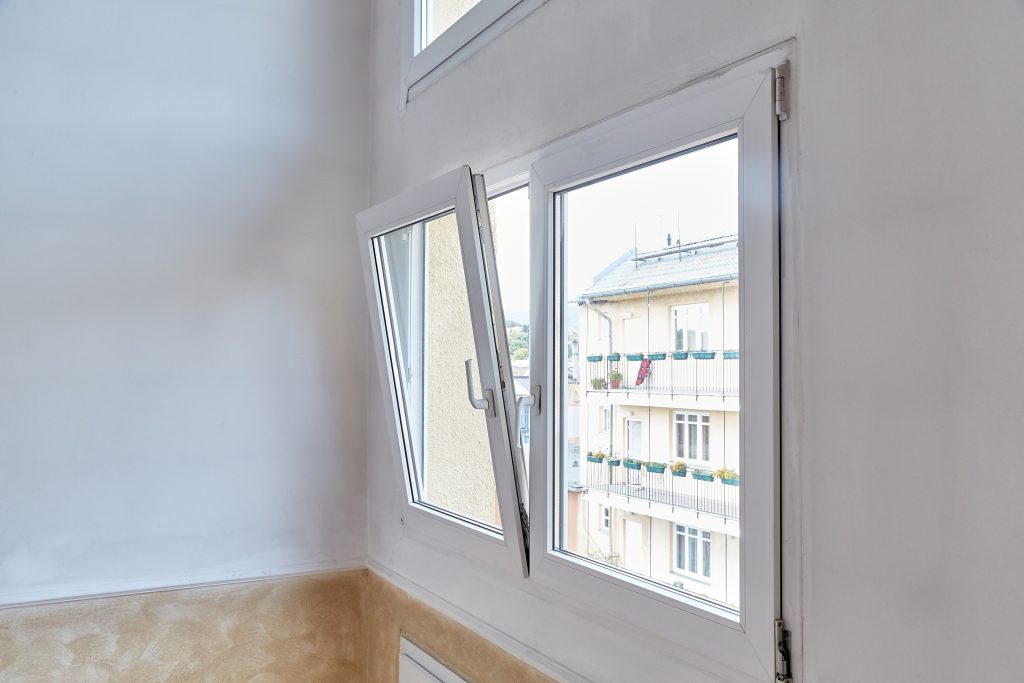
Tilt and turn windows have a unique design that allows them to tilt inward for ventilation and turn inward for easy cleaning and a wide opening.
When combined with triple glazing, these windows offer a more consistent indoor temperature, reducing the reliance on heating and cooling systems.
Bay Windows
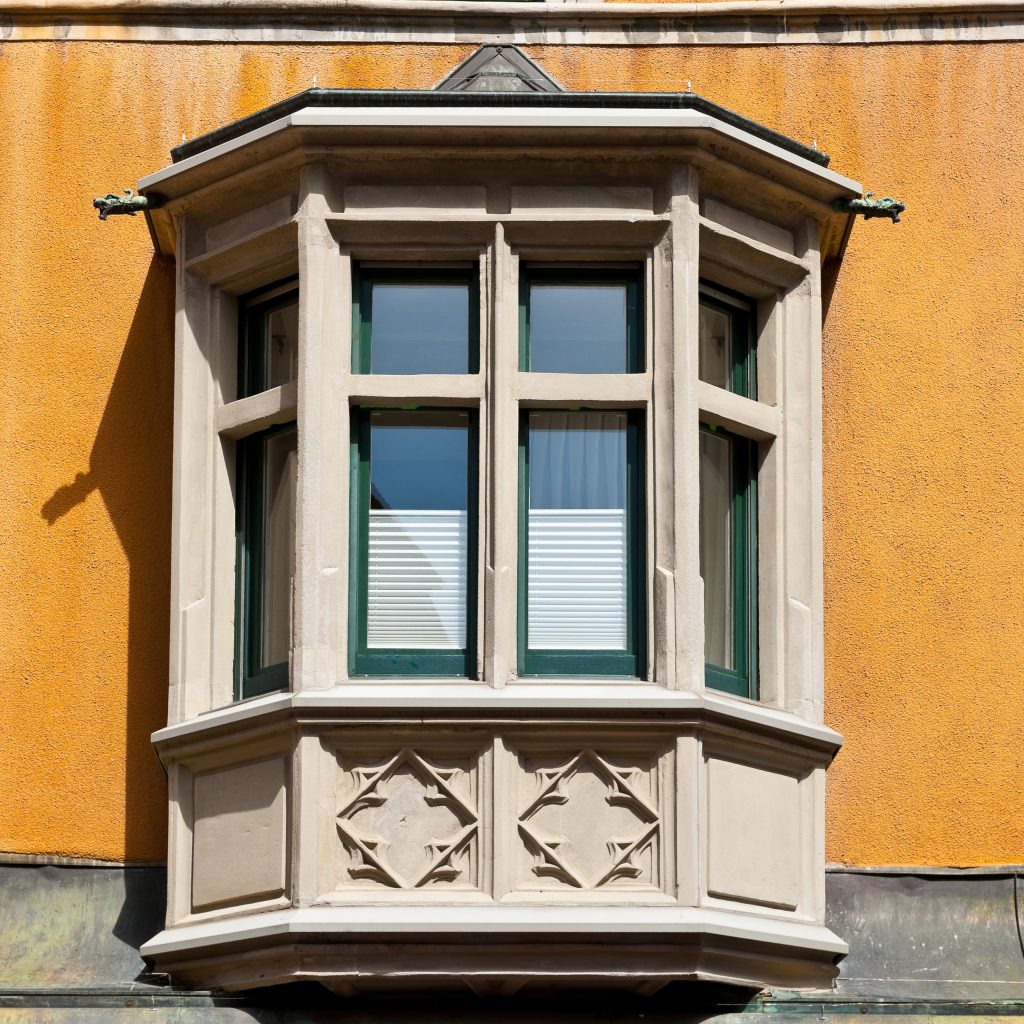
Bay windows often have more glass surface area than traditional windows, which can result in increased heat loss.
Triple glazing provides better insulation compared to double glazing, reducing heat transfer and improving the overall thermal performance of bay windows.
How Triple Glazing Affects Sustainability
Triple-glazed windows typically exhibit a thermal performance that is 40-50% superior to their double-glazed counterparts.
When you choose to install triple glazed windows to your home, you will be able to lower your home’s CO2 emissions and significantly decrease your heating expenses.
To top it off, most triple glazed units have a U-value of less than 0.8 W/(m²K) – 50% better than the best double glazed windows. This means less heat loss overall from windows and the inside glass pane will be comfortable to the touch so rooms feel warmer, even when it is cold outside.
Discovering the Most Competitive Rates for Triple Glazing Installation
To maximize your chances of securing the most competitive price for triple glazing installation, it is advisable to obtain quotes from multiple local installers.
Regardless of whether you are seeking replacement windows in Scotland, England, or any part of the UK, Ecopreneurist can help you compare current market prices to streamline the process of getting quotes from multiple local installers.

Take Note
While it is possible to fit your new triple-glazed windows by yourself, even minor errors can result in heat loss, undermining the purpose of your investment.
To guarantee proper sealing and fitting, you should hire a professional—especially if you intend to replace all the windows in your home.

Is Triple Glazing for You?
To maximise the benefits of triple glazing, you need to accept that it comes with a hefty investment cost.
But, once it’s in, you’ll quickly start noticing the difference: way less draughts, no more condensation headaches, better home insulation, and as an added bonus, your energy bills will start to go down.
Whether it’s superior noise reduction from loud neighbours, increased indoor heat from harsh winters or added home security, triple glazing your windows might just be the home improvement answer you’ve been looking for.
How does triple glazing differ from double glazing?
While double glazing has two glass layers with sealed airspace in between, triple glazing adds an extra glass layer, creating two insulating gaps. This additional layer enhances thermal performance, reducing heat transfer and improving energy efficiency.
Is triple glazing suitable for all climates?
Triple glazing is particularly beneficial in colder climates where insulation is crucial. However, it can also be beneficial in warmer climates to reduce heat transfer. The effectiveness of triple glazing depends on factors such as the glass coatings, frame materials, and the specific climate of the location.
Can existing windows be upgraded to triple glazing?
In some cases, it may be possible to retrofit existing windows with triple glazing. However, this depends on the window frame design and space for the additional glass layer. Consultation with a professional is recommended to determine if retrofitting is feasible.
Does triple glazing block UV rays?
Triple glazing can be designed to include coatings that reduce the transmission of UV rays. This helps protect furniture, flooring, and other interior elements from fading or damage caused by prolonged exposure to sunlight.
Written By

Reviewed By
