
What are Casement Windows? All You Need to Know
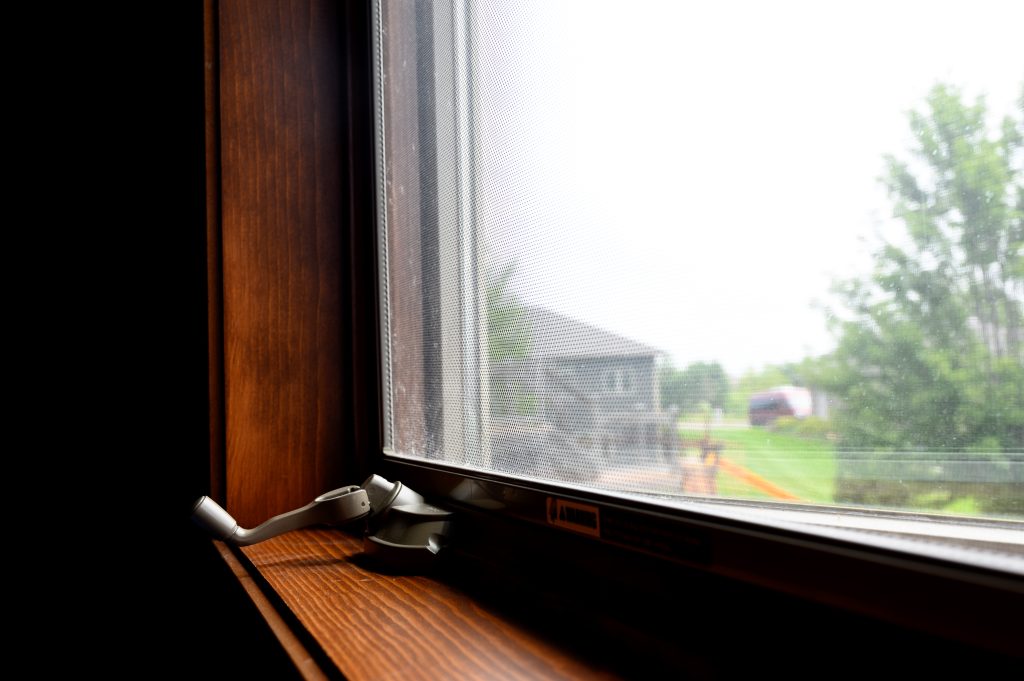
A casement window is hinged on one side and opens outwards like a door. Traditional casement windows are operated with a rotating crank, as you would with old-school car windows. However, you can also find push-out style casement windows in the market.
What you’ll find here

Key takeaways
- Casement windows are popular because they open fully, giving you plenty of ventilation and an unobstructed outside view. They also retain heat better compared to other window types.
- Casement windows offer the best ventilation among different window types, making them ideal for the living room and bedroom.
- Casement windows are not advisable if your home sits right next to the sea because its moving parts could rust quickly when constantly exposed to salty air.

How Casement Windows Became Popular
Casement windows gained popularity because of their ease of use, heat retention, and durability.
Heat retention
Casement windows succeeded stone mullioned windows, which are a popular feature of rural English architecture. Initially, the frames of casement windows were built from heavy oak, which made them superior when it comes to durability and heat retention.
Ease-of-use
A turn crank is a feature in traditional casement window designs. The crank makes it easy to operate bulky casement windows, even in areas that are difficult to reach.
The mechanism of a casement window allows it to stay in place. This gives homeowners the ability to fine-tune their home’s ventilation, letting as much or as little air as preferred.
Durability
The components of casement windows were traditionally made by the village blacksmith. This gave rise to the tradition of casement windows being extremely durable.
As mass-produced parts became available in the UK, the tradition of durable casement windows continued.
Keep in mind though that there are currently low-quality casement windows in the market, as with other types of windows. That’s why it’s even more important to choose reputable manufacturers and installers.
Compare Window Prices

Get quotes from local installers
1 fast form = 4 low quotes
Save up to £703 per year


Pros of Casement Windows
Exceptional Ventilation
Casement windows can open up to 90 degrees, giving you better ventilation and outdoor views. In contrast, the sashes on double-hung and sliding windows cannot be opened all the way at the same time.
Ease of Use
Double and triple glazed windows can get quite heavy, especially if you install noise-cancelling glass. A crank-operated casement windows eliminates all the effort of closing and opening heavy sashes.
Ease of Cleaning
Casement windows can be opened at various angles, allowing for easier cleaning.
Energy Efficiency
Casement windows shut tightly on all four sides because their sashes press tightly against the frame when shut. Thus, they retain heat better and provide better protection against extreme weather and high winds.
Design Flexibility
Casement windows can be designed with or without turn cranks, can be opened sideways or upwards, or installed with different types of frames.
The design of casement windows can be customised to match any home interior or exterior.
Security
Most models of casement windows use locks that connect at multiple points which makes them more secure than other window types. Even the ones that use the typical handle-and-cam lock tend to be more robust.
Some models are secured with a tie bar lock, which runs through the entire side panel of the window.
Sleek look
The screen on casement windows is installed inside the house, which gives a sleek look to the outside of your home.
Cons of Casement Windows
Relatively more expensive
Although not as expensive as bay and bow windows, casement windows are pricier compared to other types of windows because of their extra mechanical components.
If cost is your priority, it might be better to consider single and double hung windows.
Complex to install
Full-frame, casement windows may require more than just DIY skills to install. You need to apply weather stripping, expanding foam, and sealants to ensure air-tightness; on top of having to deal with a heavy-framed window.
Moving parts require maintenance
The mechanism that makes casement windows easy to operate needs to be cleaned and kept lubricated.
Not ideal for homes near the sea
Salt air can damage the moving parts of a casement window. It’s common to see these types of windows, which are left unmaintained, to be completely inoperable after 10 years.
With proper care and under ideal circumstances, casement windows can last more than 25 years.
The screen is on the inside
The screen being installed inside, while it gives your home a nice look, can have its own downside: it presents an extra step when cleaning the window or wiping off condensation.
In the UK, where windows are opened for just a portion of the year, some homeowners simply do without the screen and reinstall it when the season calls out for open windows.
Parts of a Casement Window
A casement window is only as good as its parts. It’s important that you have some ideas on how to assess each individual part of a casement window before making a purchase.
Frame
The frame surrounds the entire window structure. Heat can easily escape through the frames so it’s important to choose energy efficient frames such as timbre and thermally broken uPVC.
Sash
The panel that swings out and closes in. It holds the glazing, which is in turn made up of individual panes.
Hinge
Also called a piano or butt hinge, it attaches the sash to the frame. The hinges on a casement window are located on one side. If the hinge is located at the top, it’s called an awning window.
Please note that some casement window models can be opened both vertically and horizontally.
Locking handle and cam
The handle is what you use to turn the cam so that the cam catches the keeper, which secures the window shut.
Keeper
It is a piece of metal that the lock hooks to so that the window remains secure when locked.
Tie bar
Some casement windows are secured with a tie bar, a piece of metal that runs through one side of the window.
Pane
An individual sheet of glass in a window.
Glazing
The glass part of the window is collectively called its “glazing”. It is housed within the sash.
A casement window can be double- or tripled-gazed. There are different pros and cons of triple and double glazing. The best type of glazing depends on your specific situation.
Crank
The crank mechanism is the traditional hallmark of a casement window. It connects to a rotating gear that operates that sash.
Casement operator
Also called “window operator”, the casement operator is an “arm” that links the frame to the sash. It extends and retracts to close and open the window.
Stay
A stay is a mechanism that holds a casement window in place so you can keep it open at a desired angle. It is usually located just underneath the casement operator.
Thermal break
A thermal break is a collective term for all the parts of a window that prevent the transfer of temperature, essentially “breaking” the connection between indoor and outdoor temperatures. A thermal break directly affects the U-values of a window.
Side note: the poorly insulated parts of a window where heat can escape rapidly is called a “cold bridge.”
Common Problems with Casement Windows
Does not close all the way
This is the most common problem with casement windows but it’s usually easy to fix. Stuck casement windows usually happen when there is dirt or debris stuck in one of its moving parts.
It can also be caused by the lock handle being partially turned (thus blocking the sash from closing completely).
The crank stops working
This may happen when dirt and grime build up in the moving parts, causing them to fail. Gears can also be worn out if they have not been lubricated for several seasons.
Broken cranks are rare in casement windows as those are designed to last along with the window’s entire lifespan. If your crank is broken, it’s best to contact the window manufacturer or a professional installer.
The sash is skewed sideways
Over time, the sash may be skewed off its vertical alignment. This is caused by the weight of the glass.
You can fix a skewed sash by adjusting the arms (the bit that pushes the window open) with a flat wrench.
Conclusion
A casement window is right for you if:
- You are looking for a thermally efficient window.
- You are looking for a window that provides plentiful ventilation.
- You need a window that is sturdier than a sliding or double-hung window.
Please keep in mind though that a casement window comes with a lot of moving parts. You will need to maintain it regularly to ensure that it functions smoothly.
Additionally, casement windows could cost hundreds or even thousands of your hard-earned money. For example, uPVC casement windows cost £372-£960.
You want to make sure that you are getting the best deals in the market. Our price comparison tool will help you find the best prices online that will aid in your buying decision.
If you need help, please let us know so we can request for quotes on your behalf. It’s free, absolutely no commitment.
Now read:
Written By

Reviewed By
