
What Are U-values for Double Glazed Windows?
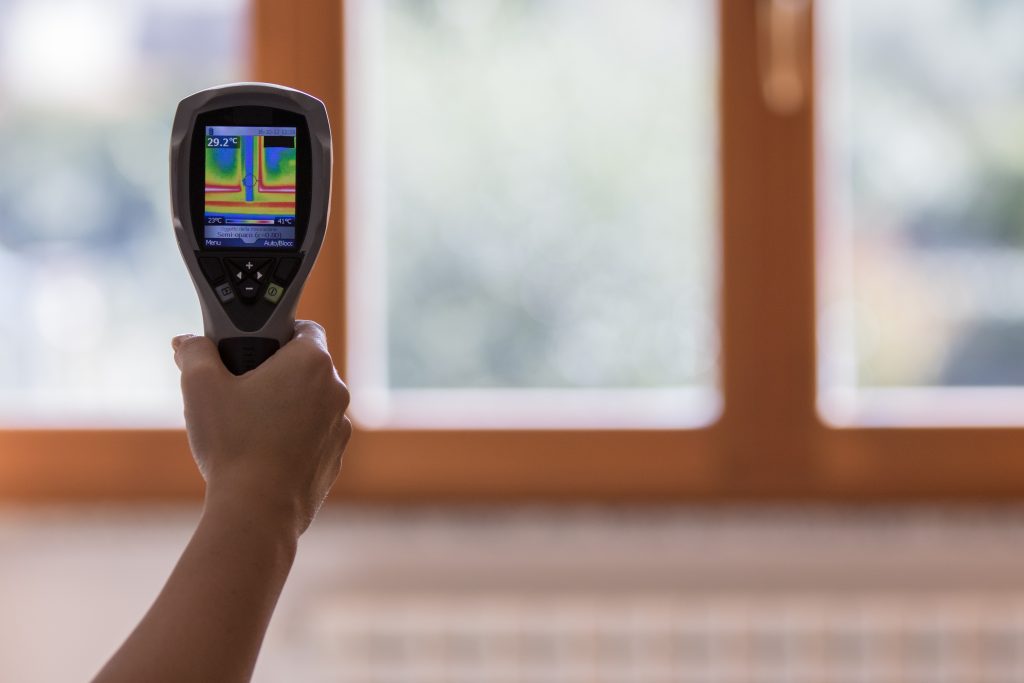
Here’s a classic winter home scenario: everything is warm and cosy when the heat is on. But as soon as the heat is turned off, the temperature drops rapidly. This can all be explained by U-value.
In this guide you’ll find:

Key takeaways
- U-values measure the rate at which a building component, such as a window, loses heat.
- Lower U-values mean that less energy is required to keep a building or dwelling heated.
- UK regulation requires windows to have a maximum U-value of 1.4 W/m²K.

What is a U-Value?
A U-value measures the rate of heat loss through building components such as windows, doors, walls, and roofs. The lower the U-value, the slower the heat loss.
U-values are expressed in watts per square metre per Kelvin (W/m2K). This describes how much heat, in Watts, flows through an area of one square metre when there is a temperature difference of one degree between the exterior and interior of a structure.
In the United Kingdom, the law requires that replacement doors and windows should have a maximum U-value of 1.4 W/m²K.
This means that a maximum of 1.4 watts should be needed for every degree of temperature difference between the inside and the outside of a window.
When buying new windows, you will be able to see its U-value as indicated by the manufacturer.
Compare Window Prices

Get quotes from local installers
1 fast form = 4 low quotes
Save up to £703 per year


U-value Regulations in the UK
In the UK, regulations require that new buildings and home renovations meet U-values and other energy efficiency standards. These standards, stipulated in the part L of the Building regulations, are constantly updated as new energy efficiency technologies are introduced.
As of June 2022, the following are the U-value requirements for different home components:
| Element type | Maximum U-Value |
|---|---|
| Roof | 0.15 W/m²K |
| Rooflights | 2.2 W/m²K |
| Wall | 0.18 W/m²K |
| Floor | 0.18 W/m²K |
| Windows | 1.4 W/m²K |
| Doors | 1.4 W/m²K |
Window Types and Their Typical U-values
| Window Type | U-value |
|---|---|
| Single glazed | 5.2 W/m²K |
| Double glazed | 1.2 to 3.7 W/m²K |
| Triple glazed | Less than 1 W/m²K |
| Vacuum double glazing | 0.48 W/m²K |
Factors that Affect U-values in Windows
Type of glazing
Double and triple glazed windows perform better than single glazed windows. Please note that a triple glazed window isn’t always more energy efficient than a double glazed window. Other factors like coating, frame material, and gas fills can affect U-value.
Coating on the window panel
Low emissivity coating can reduce heat loss through window panels by 19% to 28%.
Frame material
Timber is the most energy-efficient material followed by uPVC and resin-filled aluminium.
Gas fills
Denser gases, like Argon, are much better than air when it comes to slowing down heat loss.
Time since last gas fill
Gas-filled windows may leak, decreasing their insulation. Typically, double glazed windows need to be refilled every five to 10 years.
Window Ratings and U-Values
The Window Energy Rating (WER) scale describes how thermally efficient a window is based on multiple factors: U-Value, G-value, L-factor, and Energy Index.
These days, the most energy-efficient windows are rated A++ and have U-values as low as 0.8 W/m²K.
The Department of Energy and Climate Change (DECC) provides the following estimate on how much you can save on gas heating by replacing a single glazed window with a more energy-efficient window:
| Energy Rating | Detached | Semi-detached | Mid terrace | Bungalow | Mid-floor flat |
| A | £120-155 | £ 80-110 | £ 65-85 | £ 55-75 | £40-55 |
| B | £110-140 | £ 75-100 | £ 60-80 | £ 50-70 | £35-55 |
| C | £105-135 | £ 75-95 | £ 60-75 | £ 50-65 | £35-60 |
Balancing U-values and Practicality
Triple glazed windows can be up to 60% more energy-efficient than double glazed windows. However, there are a few things you need to keep in mind:
- U-values are not everything. Depending on where you are, you may need to consider how heat loss prevention may how heat can reach the interior of your home. You might be able to benefit from allowing some level of natural heat.
- Triple-glazed windows are not ideal for small frames because they are thicker.
- Triple-glazed windows barely allow any sunlight to reach the inside of your home. In the UK, south- and west-facing windows might be better double rather than triple glazed to allow some sunlight to pour in.
How to Improve U-values Around Your Home
Short of upgrading all your doors and windows, there are a number of things you can do to improve the overall U-value of your home:
- ✓ Upgrade doors with better insulated materials.
- ✓ Seal gaps around doors and windows to reduce draughts.
- ✓ Add insulation to walls, floors, and roofs. The most common types of insulators are fibreglass, foam, and mineral wool.
✓ Quality of installation is just as important as your choice of windows. Heat can easily be lost through gaps and cold bridges.
Conclusion
U-values matter for sustainability and energy savings. In financial terms, you can think of U-values this way: How much money are you losing, in heating costs, to different areas of your home?
Upgrading your windows can reduce energy bills and help you meet new building regulations. Getting online quotes is a great place to start. You may use our price comparison tool to compare your options from different suppliers in the UK.
Now read:

Written By

Reviewed By
