
What Are Trickle Vents and How Do They Work?
In this guide, you’ll find:
What is a Trickle Vent?
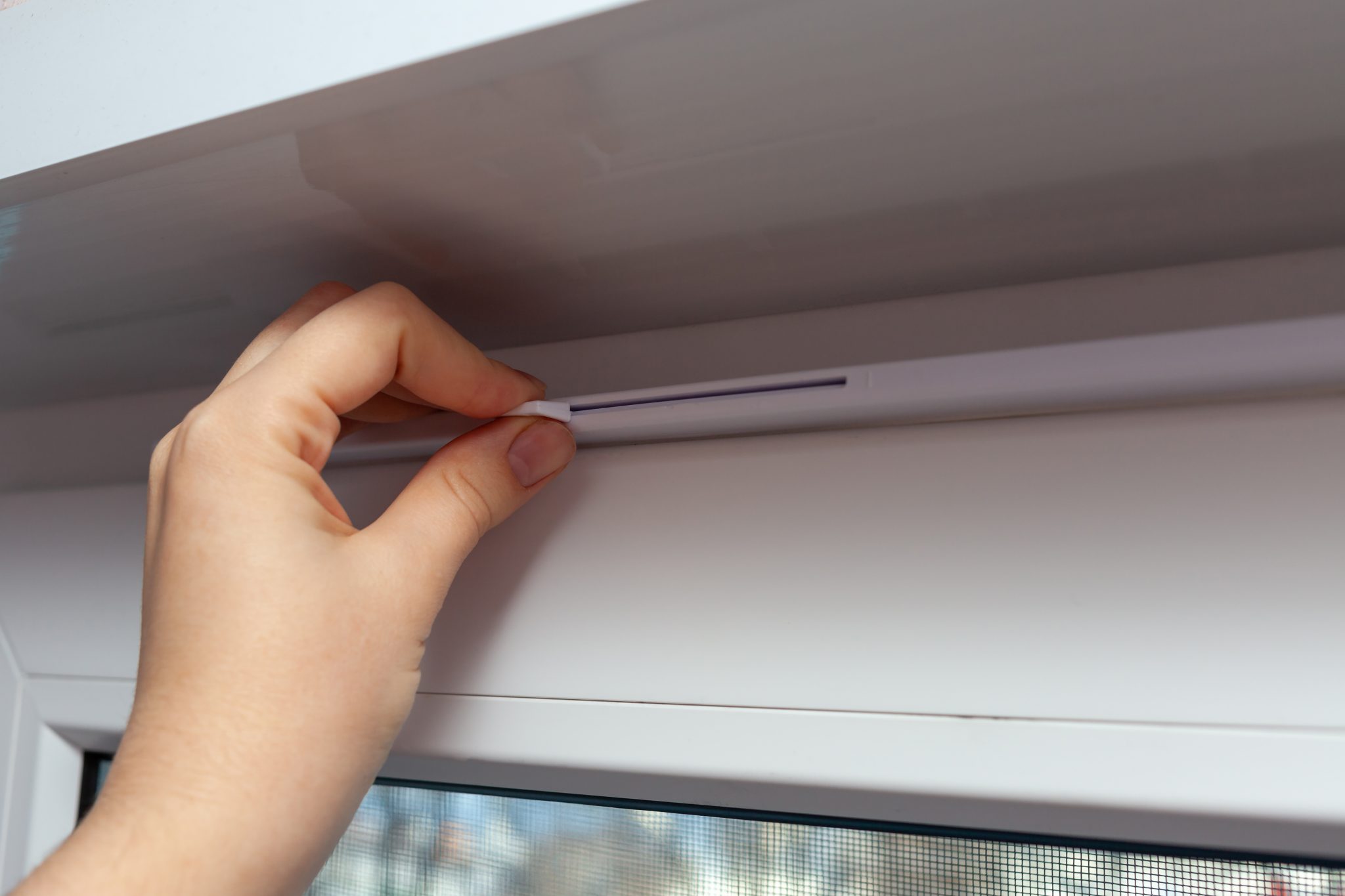
A trickle vent is a tiny opening within a door or window frame that can be opened and closed with a hinged or sliding flap. It is designed to improve air circulation and prevent the buildup of moulds. In the past, most homes had chimneys and air bricks so trickle vents were not necessary.
As UK homes are becoming more energy efficient and draught-proof, they have also become more air-tight. Trickle vents allow a controlled amount of fresh air to pass through a door or window even if it is shut.

Key takeaways
- Trickle vents prevent the buildup of moulds by allowing air circulation in air-tight homes.
- Building regulations require trickle vents for new homes and home renovations.
- Trickle vents typically cost £2 to £14.
- Most new double glazed windows come with a built-in trickle vent.
- Not all windows need to have trickle vents. The required number of trickle vents is based on an equivalent area for every room type.

How Trickle Vents Work
Because most homes these days are air-sealed, poor quality air can barely escape. This may come from candles, cooking, paint fumes, and bathing. Even breathing can lead to the buildup of unhealthy amounts of carbon dioxide.
Stale, stuffy air if left unchecked can lead to headaches, sleepiness, and slight nausea.
To ensure a safe, healthy dwelling space, you need to balance airtightness with airflow. This is why means of ventilation, like trickle vents, are important.
Trickle vents are typically built into a window frame to allow a controlled amount of ventilation. Many window designs in 2024 come with a built-in trickle vent.
Compare Window Prices

Get quotes from local installers
1 fast form = 4 low quotes
Save up to £703 per year


Trickle Vents and Building Regulations
Building regulations part F, also known as Means of Ventilation, describe the requirements of ventilation in various spaces. All new-build homes and extensions require some form of ventilation. However, some listed buildings and conservation areas may be exempted.
If your property does not fall under such exemptions, you will need to discuss with a reputable installer on how to meet the regulations relating to ventilation. A minimum size of ventilation is required for different types of rooms. You may refer to the table below:
| Room | Minimum equivalent area of background ventilators for dwellings with multiple floors | Minimum equivalent area of background ventilators for single storey dwellings |
| Habitable rooms | 8000 mm2 | 10,000 mm2 |
| Kitchen | 8000 mm2 | 10,000 mm2 |
| Utility room | No minimum | No minimum |
| Bathroom | 4000 mm2 | 4,000 mm2 |
| Sanitary accommodation | No minimum | No minimum |
Installing a trickle vent is a cost-effective way to comply with ventilation requirements. They are cheap and do not create noise unlike mechanical ventilation.
Trickle Vents and Noise Levels
Noise can get through trickle vents in an otherwise soundproof home. You may also hear a whistling sound when a strong wind sweeps by. Some vents come with a foam gasket that reduces noise. You can install sound-proof background ventilators for an extra cost:
Acoustic trickle vents
Price: £40 to £50
Standard trickle vents are designed to reduce exterior noise by 30 to 35 decibels. If noise is an issue, you may install acoustic sound-proof vents which can reduce noise by 40 to 45 decibels. For context, the sound of rain falling is typically around 50 decibels.
Sound attenuating background ventilators
Price: £60 to £90
Sound attenuating background ventilators are installed through walls. These can block external noise of up to 90 decibels.
Frequently Asked Questions
Is it possible to get an exemption if a trickle vent can’t be installed into my window?
Regulations require the installation of trickle vents for your wellness. If it’s not feasible to meet the minimum value stated in Document F, you should try to get as close to it as possible.
Alternatively, you can install wall ventilators or mechanical ventilation systems (MVS).
Can I install a wall ventilator to comply with regulations?
Some wall ventilators may suffice to meet building requirements. When in doubt, it’s best to consult a professional.
Can I just install an air brick instead of a trickle vent?
You may but that is a tricky route to compliance. First, you need to make sure that the air bricks meet the required equivalent area for the given room. Second, you run the risk of incurring repair costs if anything goes wrong during installation.
Should trickle vents be closed in winter?
Ideally, trickle vents should be kept open throughout winter to allow airflow and prevent the buildup of moulds and condensation.
Do trickle vents cause heat loss?
The short answer is “no.” Trickle vents are designed with heat retention in mind. As such, any heat loss is minimal.
Will insects be able to get through the holes in trickle vents?
No. Trickle vents have insect screens that prevent bugs and dirt from getting through.
Should trickle vents be installed in commercial buildings?
Background ventilation like trickle vents are required in commercial spaces. However, such buildings have different size and location requirements. Document F2 of the building regulations document covers these specifications.
Can I install trickle vents myself?
Installing trickle vents require skills and knowledge. You can install trickle vents yourself provided that you have the right DIY skills.
Please be aware that some windows come with a warranty that might be voided if you alter the frame.
How much does it cost to have a trickle vent fitted by a professional?
Depending on where you are in the UK, you can expect to pay around £15 to £25 per window. Some companies will supply and install trickle vents for £40.
Conclusion
Some homeowners may dislike trickle vents because they can be unsightly and take extra work to install. However, they bring in much needed fresh air that prevents moulds and keeps you healthy. Additionally, there are window manufacturers that offer concealed overhead trickle vents.
If you are shopping for replacement windows that meet the updated building regulations, you can start by getting online quotes.
If you need help, we can request quotes on your behalf. Feel free to reach out to us and share your requirements. It’s free, absolutely no commitment.
Now read:



Written By

Reviewed By
