
Double Glazing Standards for New Build Homes | 2026 Guide
If you’re a homeowner in the UK, it’s good to know that the country really pushes for double glazing to save energy in homes. That’s why there are regulations in place to help reach energy-saving targets, both across the country and around the world.
By the end of this guide, you’ll understand the standards and requirements for installing double glazing in new homes, so you can avoid any issues down the line.
What you’ll see here:
- In the UK, double glazing isn’t required by law, but building rules really push for it, especially for new installations or replacements.
- Following these rules makes homes more energy efficient and keeps heat inside better.
- Knowing U-values helps homeowners pick windows that keep temperatures steady and use less energy.
Compare Window Prices
Takes less than 60 seconds
1 fast form = 4 low quotes
Save up to 37%
Double glazing has become a standard feature in many homes in the UK, and for good reason. If you’re planning to install double glazing in your home to make it more energy-efficient, it’s crucial to ensure that the installation meets current building regulations. In fact, regulations on glazing are easier to enforce in new homes, as the properties are being constructed.
Is Double Glazing Mandatory in the UK?
Sticking to building regulations is super important for any home, and that includes your windows. It’s a big question, but the answer is yes, double glazing is required.
That’s because, in 2002, the rules were updated to say that when you replace windows, they should be double-glazed. So, if your property got new windows since then and they’re not double-glazed, it could violate the rules.
Improving homes for better comfort and energy efficiency is the goal of these regulations. It also offers renters more control since they may not have the option to change windows like homeowners. However, you can still consider alternatives if double glazing doesn’t suit your needs. You just have to ensure that any changes meet the building standards.
Double Glazing Building Regulations
Your new windows, whether they’re double-glazed or not, have to meet certain energy-saving and thermal performance standards.
Here are the documents you can obtain to ensure that the windows meet the standards:
- You can get a certificate from the local authority building control service.
- You can also get a certificate from an installer registered with FENSA.
Minimum Energy Efficiency Standard
So, what are the standards for windows in newly built homes you should look out for?
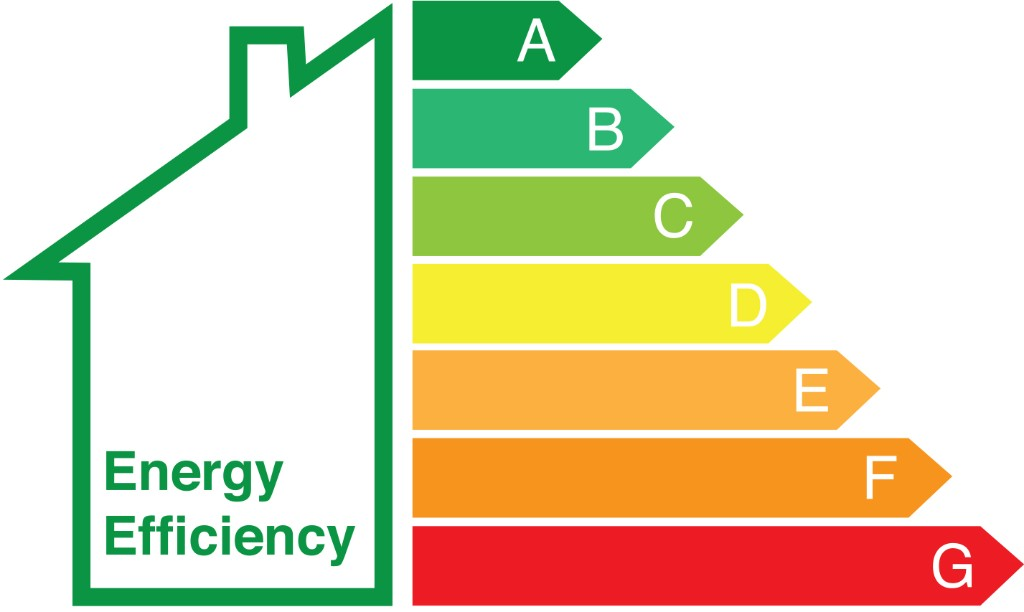
Basically, your windows need to meet a certain level of energy efficiency as outlined by the Energy Performance Certificate (EPC) ratings given by your local authority.
Under today’s building regulations, replacement windows have to meet a rating of at least ‘C’ for efficiency or a U-value of 1.6 W/m²K or less. On top of that, landlords have an extra duty to make sure their properties reach at least an energy rating of E.
What is a U-Value?
Before proceeding, take a moment to understand what the U-Value means in the context of double glazing features.
The U-Value of a window tells you how much heat can pass through it. Basically, the lower the U-Value, the better the window is at keeping temperatures steady.
Imagine a single glazed window or one with a high U-Value. It lets in a lot of heat during summer. When the sun hits it, the air around the window warms up, quickly transferring heat indoors.
On the other hand, think of a window with a lower U-Value like a speed bump for heat which slows down the process. Basically, the higher a window’s U-Value, the less energy-efficient it is.
Typically, single-glazed windows have a much higher U-value, around 5.8 W/m²K. But double glazing has a much lower U-value, about 0.7 W/m²K.
It’s essential to know that in the UK, until June 15, 2022, the acceptable U-value was 1.6 W/m²K. But now, it’s been reduced to 1.4 W/m²K to help the country reach its goal of net zero emissions by 2050.
The Importance of Understanding Double Glazing Building Regulations
It’s really important for both homeowners and tenants to get the lowdown on these rules. That way, you can steer clear of penalties and make sure your place is up to snuff for selling or just cozy living.
If you own your home, swapping out single-glazed windows for double-glazed ones is a smart move.
It keeps you in line with the rules and helps cut down on energy use. And if you’re renting, knowing these regulations gives you a voice to ask your landlord for energy-saving upgrades. That means a comfier home and potentially lower bills. Plus, landlords could face big fines if they don’t meet these standards, so it’s a win-win for everyone to stay on top of things.
Frequently Asked Questions (FAQs):
Will you face penalties if you don’t follow the rules for double-glazing in newly built homes?
You won’t get in trouble if your single-glazed windows were installed before 2002, but you could face fines if new windows don’t meet the rules, though it’s unlikely as manufacturers follow these standards.
Why do some houses still use single-pane windows?
Some houses still have single-glazing windows because they were likely installed before regulations required double-glazing, and replacing them can be a costly investment.
Will the new standards affect listed buildings?
Listed buildings are not directly impacted by the new standards, but if you want to replace windows for energy efficiency, you may need planning permission and specialized services to maintain the building’s historic appearance.
Now read:

Written By

Reviewed By
