
How to Adjust a Top Hung uPVC Window (with Pictures)
If you have installed top hung uPVC windows, you are most likely to encounter either of these two common issues: (1) it’s slightly hard to open and close your windows, or (2) they won’t stay open and the panes swing shut on their own.
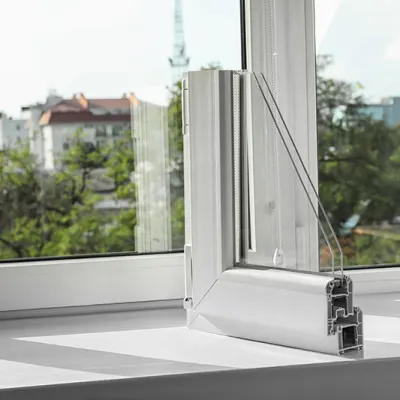
A top hung uPVC window is a type of casement window that is hinged at the top and opens at the bottom. Unplasticized polyvinyl chloride (uPVC) is used as the frame material, making the window durable and low maintenance.
In this easy step by step guide, you will learn how to change the flexibility of your windows by adjusting the friction stays that are found on their hinges.
Compare Window Prices

Get quotes from local installers
1 fast form = 4 low quotes
Save up to £703 per year



Step 1┃
Open up your window until you can see and access the hinge.
Step 2┃
Find the screw that is located on the friction stay.
Step 3┃
Once located, use your screwdriver to tighten or loosen the screw gradually. Don’t forget to do the same on the screw at the opposite hinge.
Step 4┃
Start testing the adjustment by opening and closing your window pane.
Step 5┃
Continue tightening or loosening the friction screw until you reach your desired setting.
💡 Maintenance Tips for Your uPVC Top Hung Windows
While it’s true that uPVC top hung windows require little maintenance, you still have to regularly clean the parts to avoid any costly problems in the future. Here are helpful suggestions on how you can maintain your windows in excellent working condition:
• Glass. You may clean the glass panes of double or triple glazed windows using standard glass cleaners. Dust and grime build-up can also be wiped using a cloth damped with soapy water. For leaded glass, be careful not to apply too much pressure as it can cause the glass to come loose. Depending on where you live, you may need to clean your glass once every 2-3 months.
• Frame. Due to the material, avoid applying abrasive products that may damage the surface of your uPVC frame. You may use a dusting brush or a vacuum attachment to remove the dust particles that have built up on the hinges and inside the frames. Then, use a soft cloth and warm soapy water to clean off any dirt left before wiping with a clean dry cloth. Do not use wire wool, scouring pads, or any cleaning item made up of rough materials.
If you live in cities or coastal areas, you might need to do this every 3-4 months, but in areas with cleaner air, twice a year is recommended.
• Handles. With the window closed, clean the handles with a damp cloth before drying them thoroughly. Spray enough oil onto the window key and insert it into the handle lock. Wiggle the key gently and move it in and out of the lock a few times. Check if any screws are loosened and adjust accordingly.
• Locking system. Open the windows and spray some oil on the locking strip. Be sure to wipe away the excess oil as it might trap dust from the air.
• Hinges. With the windows still open, spray enough oil on the friction hinges. If the hinges feel loose or tight, adjust the appropriate screws.
Handles, locking systems, and hinges may be cleaned every 3-4 months.
If you found this guide useful, then you might also like Ecopreneurist’s catalog of insightful articles about eco-friendly and sustainable technologies.
How often should I maintain my top hung uPVC window?
Top hung uPVC windows require minimal maintenance. You may need to clean your uPVC window frames every 3-4 months if you are in the city or twice a year if you are in a rural area. The glass panes can be cleaned every 2-3 months while the handles, locking system, and hinges may need maintenance every 3-4 months.
What is a good DIY cleaning solution for top hung uPVC windows?
A mixture of 1 cup of vinegar and 4 cups of hot water is an effective DIY cleaning solution for uPVC windows. Place the mixture in a spray bottle and apply on the uPVC frame. After 10 minutes, wipe with a soft cloth and make sure to dry the surfaces.
What cleaning products are safe for top hung uPVC windows?
Mild soap and water mixture, vinegar and water solution, and specialized uPVC cleaners, such as No-Nonsense uPVC cleaner and De-Solv-It UPVC cleaner, are generally safe for uPVC window frames.
What cleaning products are damaging to the frames of a top hung uPVC window?
Products such as glass cleaners, bleach, methylated and white spirits, cream cleaners, and ammonia-based cleaning agents can potentially damage uPVC window frames.
Now read:


Written By

Reviewed By
