
Dealing With Condensation Issues in Double Glazing
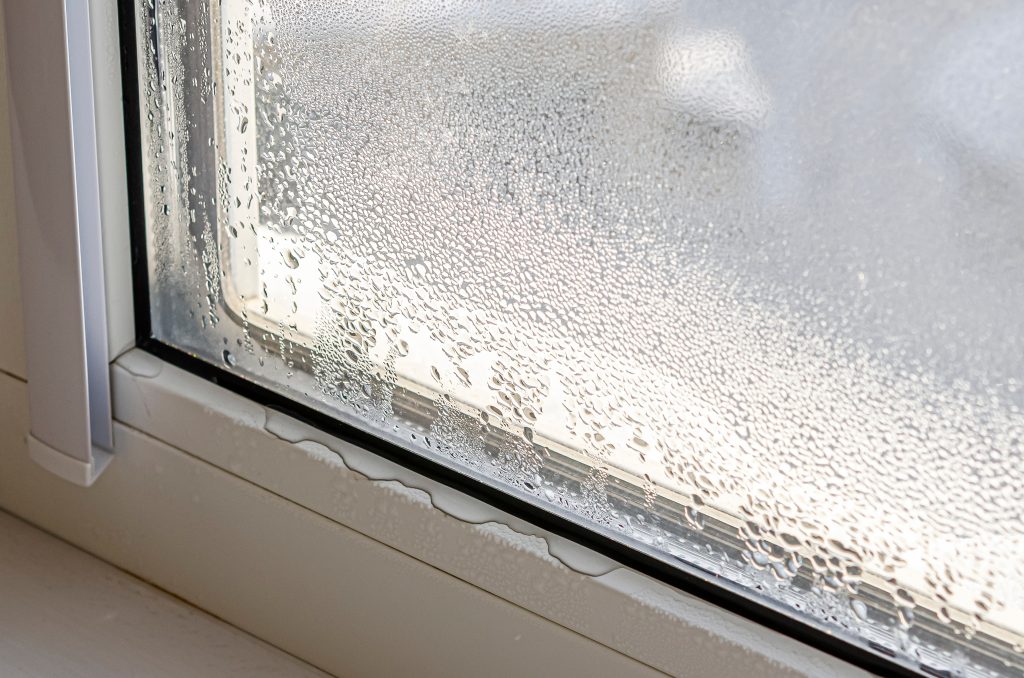
Are you living in a place where it’s damp during the winter and has high humidity? There’s a high chance you’ve already experienced condensation on your windows, which can be quite bothersome.
Here’s a quick rundown to help you get started:
- Condensation forms when warm indoor air meets the cold surface of windows, creating water droplets due to decreased moisture retention in cooler air.
- Condensation on double-glazed windows can happen inside, outside, or between glass panes, necessitating maintenance for great window function.
- You can fix condensation by considering window replacement, using a hairdryer for spot treatment, opting for professional cleaning, and many more.
Here’s what you’ll find here:
Compare Window Prices

Get quotes from local installers
1 fast form = 4 low quotes
Save up to £703 per year


Imagine your windows fogging up, blocking the view outside. Then, you have to wipe them down. And then it happens again, and you have to clean them again. It’s annoying and such a hassle, isn’t it? But here is the thing: if you don’t take care of the condensation in your double-glazed window fast, it could make you sick.
In serious situations, nasty black mold can start creeping in on your window frame and sill. And believe it, those mold spores aren’t doing your health any favors, potentially causing breathing issues. So, it’s important to know how to fix this problem early on to avoid those unpleasant situations.
Understanding Condensation
First off, condensation happens when a gas or vapor turns into a liquid. It happens when the window’s surface gets cold, and water droplets form on it. This can happen if the seal around the window is not good, letting warm air from inside escape and turn into condensation.
The point at which this happens is called the “dew point.” It changes based on how much water is in the air (humidity). So, even if it’s not very cold outside, condensation can still form if it’s humid. And in colder weather, condensation can happen even if the humidity is low.
So if you turn off your heating at night, you can see that your windows are wet in the morning. It is because when the air inside your home gets cold, it can’t hold as much moisture, so it creates condensation on windows. This happens especially if there’s no way for the moisture to escape, like through an open window.
5 Types of Condensation Throughout Your Home
You might be wondering how condensation ends up on your windows. First things first, there are different types of condensation and reasons behind them that you should know about.
1. Cold-bridge condensation
Similar to surface condensation, it forms on external walls and window sills which can lead to rotting.
2. Warm-front condensation
Common in unoccupied homes, where warm, humid air enters a cold house and condenses, creating liquid. This often happens in winter.
3. Interstitial condensation
Typically found in insulation or air conditioning units. Warm, moist air gets into the insulation or AC, producing water as it cools.
4. Reverse condensation
Mainly seen in summer. Water on an exterior wall evaporates in the sun and is absorbed into the bricks. When it meets a barrier like insulation, it cools and turns into water again.
5. Radiation condensation
Also known as night sky radiation, if the temperature outside suddenly gets much colder at night, water droplets will form on the underside of roofs.
Condensation on Windows
That’s just the tip of the iceberg! Condensation can also happen in common spots on your window, each with its own causes.
- Interior Condensation
When you see your windows getting steamy or having water droplets on the inside, that’s interior condensation. This happens when there’s a lot of moisture inside your home.
If you’ve recently had work done in your home, like wet plastering, drying cement, or painting, you might notice condensation on the inside of your windows. That’s because these materials release moisture as they dry, which can cause condensation to form. This often happens in kitchens and bathrooms, where humidity levels are naturally higher compared to other areas of your home.
- Exterior Condensation
Although less common, it can indeed occur. If you notice your windows looking foggy or having water droplets on the outside, that’s exterior condensation.
It happens when the outside of the window gets colder than the air outside. Fortunately, this type of condensation is actually a sign that your double glazing is functioning as it should.
- Condensation Inside the Air Gap
Sometimes, you might see condensation between the glass panes where you can’t reach to wipe it off. This could mean there’s a problem with the seal protecting the inside of the insulating glass unit (IGU).
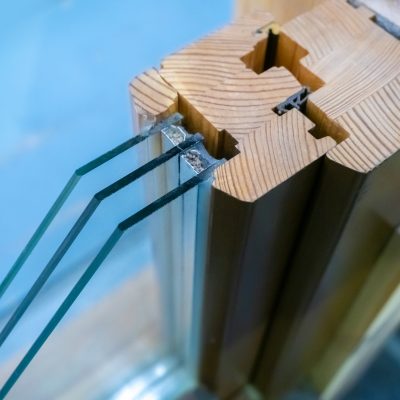
Imagine that IGUs work like a sandwich, trapping air or gas between two glass panels to control heat transfer. Inside, there’s a spacer bar filled with a drying agent called desiccant, which sucks up moisture to stop condensation. But if it’s broken, it lets humid air sneak in, leading to those water droplets forming between the glass.
How to Remove Condensation From Double-Glazed Windows
Now that you understand the causes, let’s dive into how to fix these issues. So, what’s the solution?
- Replace Your Windows
If the space between the glass panes is damaged, you might need to replace the window. While replacing just one pane can save you some cash, if there’s rot, it’s usually best to swap out the whole unit.
- Use a Hairdryer
If you spot condensation, grab a hairdryer and gently blow warm air over the affected area to dry it out quickly. But be careful not to use too much heat, as it might damage the glass over time.
- Professional Cleaning
Consider hiring a glass professional for a deep clean. Here’s what they’ll do: They’ll drill small holes at the top and bottom of the window, then spray a cleaning solution through the top hole and extract it through the bottom. Once done, they’ll seal the holes with vent plugs to allow air, water, and vapor to escape.
How to Remove Condensation Inside, Outside, or Between the Window Panes?
But, wait! Let’s get more specific. There are different ways to deal with condensation depending on where it’s located.
- Removing Inside Condensation
Use a dehumidifier, which effectively reduces moisture inside your home. Alternatively, install an extractor fan in bathrooms to remove condensation. Opening windows can also help.
- Removing Outside Condensation
While outside condensation is a sign that your double glazing is doing its job, it can still be a nuisance. To clear the condensation and prevent it from building up again, increase airflow by simply opening windows.
- Removing Condensation Between Window Panes
Condensation between the panes signals a failed seal. You can choose to repair or replace the window. Repairing is cheaper upfront, but considering the window’s expected lifespan, it might be more cost-effective to replace it in the long run.
Also, check if your window is still under guarantee, especially if it’s less than 10 years old, as many companies offer a 10-year warranty.
How to Prevent Condensation on Windows?
Preventing condensation is simple! All you need to do is maintain good ventilation and a warm internal temperature. Here’s how you can achieve that:
- Open those windows often to let fresh air flow through. It’s a simple trick to kick out excess moisture.
- Don’t let your place get chilly, especially when it’s cold out. Keeping a comfy temperature helps prevent water vapor from turning into annoying condensation.
- Ever thought about trying infrared heating? It’s like giving your walls and windows a cozy hug, keeping them warm and condensation-free.
- If condensation just won’t quit, consider upgrading your windows with triple glazing. It’s like adding an extra layer of protection against the cold, keeping your indoor temperature in check, and saying goodbye to condensation hassles.
Should You Replace Your Window?
Here’s the deal: It might be time for a change if you see moisture between the glass panes inside your double glazing.
While a little condensation on the inside or outside is normal, having it trapped between the glass means there’s a problem with the seal. Even if your window still works, it won’t do its job as well without a proper seal. So, replacing it could be the way to go to get your window working like new again.
Frequently Ask Questions (FAQs):
Is it normal to see water on my double-glazed windows?
Yes, it’s common, especially when it’s cold outside or during humid weather. But, if you notice water between the glass panes, that’s a sign something might be wrong.
What should I do if I see water between the glass panes?
It’s best to get it fixed. You might need to reseal or replace the window to fix the problem and keep your home comfy.
What can I do to prevent water from coming back on my windows?
Keep the air moving and the temperature steady. You can also try upgrading to triple glazing for extra protection against the elements.
Now read:

Written By

Reviewed By
