
Is Triple Glazing Worth It? Through the Looking Glass
If you are planning to build or renovate a property that not only prioritizes comfort but is also energy efficient and environmentally friendly, then you might have already heard about triple glazing.
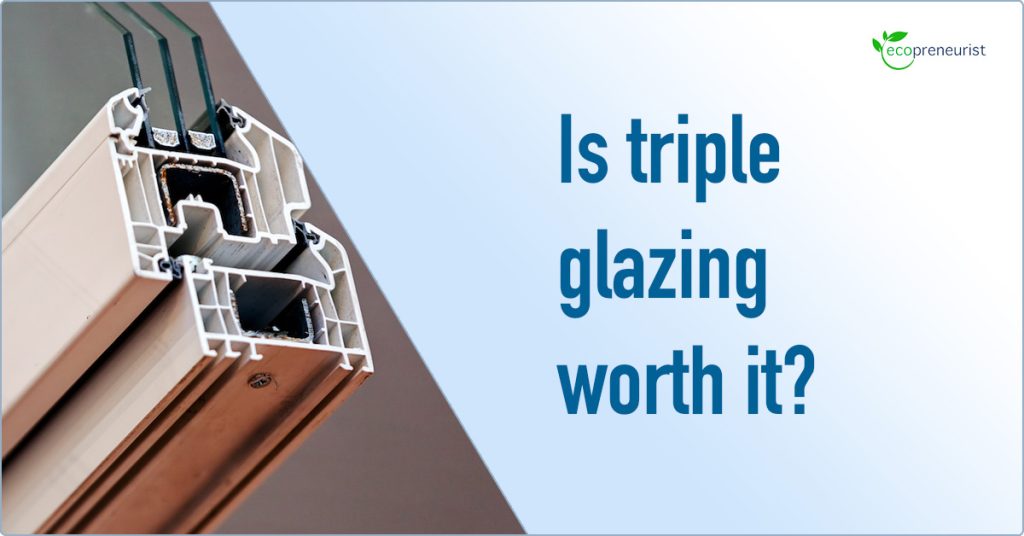
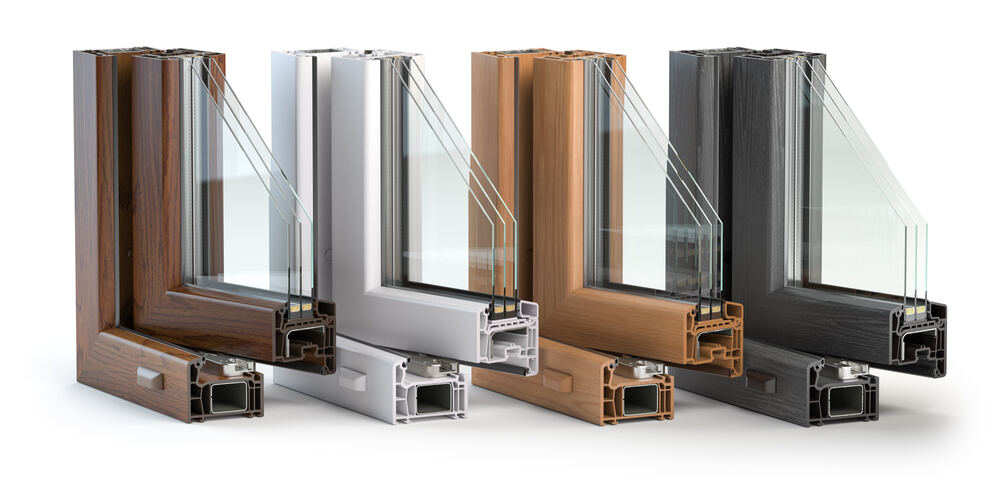
Triple glazing uses three panes of glass separated by a gas gap, to further increase soundproofing and minimise heat loss.
However, there are also potential drawbacks to triple glazing such as its cost and geographical suitability in the UK, so assessing whether or not triple glazed windows are the right green tech for you can get a bit overwhelming.
That is why in this guide, Ecopreneurist aims to shed light on one of your burning questions, “Is triple glazing worth the investment?”

Summary of Main Points
- Triple glazed windows can achieve a BFRC rating of A++ and is about 20 to 30% more energy efficient than double glazed windows.
- With U-values scoring as low as 0.6 to 0.9 W/m2K, triple glazed windows have great thermal efficiency.
- Triple glazing may have a positive impact on the value of your property.
- High-quality triple glazed units readily comply with the documents, regulations, and standards set by the government.
- Triple glazing in the UK is worth it if you: (1) are situated in really cold areas such as the Scottish Highlands, (2) live in an urbanized area with heavy noise pollution, (3) are replacing single glazed or very old double glazed windows, (4) plan on building a future-proof property with high energy efficiency ratings, and (5) don’t mind the extra cost and longer payback period if it means that you can significantly reduce your carbon footprint and your property’s carbon emissions.
- In other situations, triple glazing may not be necessary as an A+ double glazed window can provide the same user benefits for a lower price.

What you’ll see here:
Understanding the Triple Glazing Technology
Triple glazing is a breakthrough window design consisting of three panes of glass that are securely sealed together to create a moisture-, water-, and dust-proof unit.
Between each glass is a space, typically filled with noble gases such as argon, krypton, and xenon. These gases are heavier than air so heat is transferred through them more slowly, making them great insulators that keep houses warm during winters and cool in the summers.
Compare Window Prices

Get quotes from local installers
1 fast form = 4 low quotes
Save up to £703 per year


Triple Glazed Windows: Benefits and Considerations
Compared to single glazing and double glazing which are composed of only one and two glass panes, respectively, the third sheet of glass in triple glazed windows provides even greater insulation, energy efficiency, and overall convenience.
Take a look at the upsides and possible downsides listed below to help you assess whether or not triple glazing is best suited for you.

Benefits
1. High Energy Efficiency
The British Fenestration Ratings Council (BFRC) introduced the Window Energy Rating (WER) system to determine the energy efficiency of a window. With E being the lowest and A++ the highest, a rating is assigned to a unit according to its solar gain (G-value), heat transmission (U-value), and effective air leakage (L-value) readings.
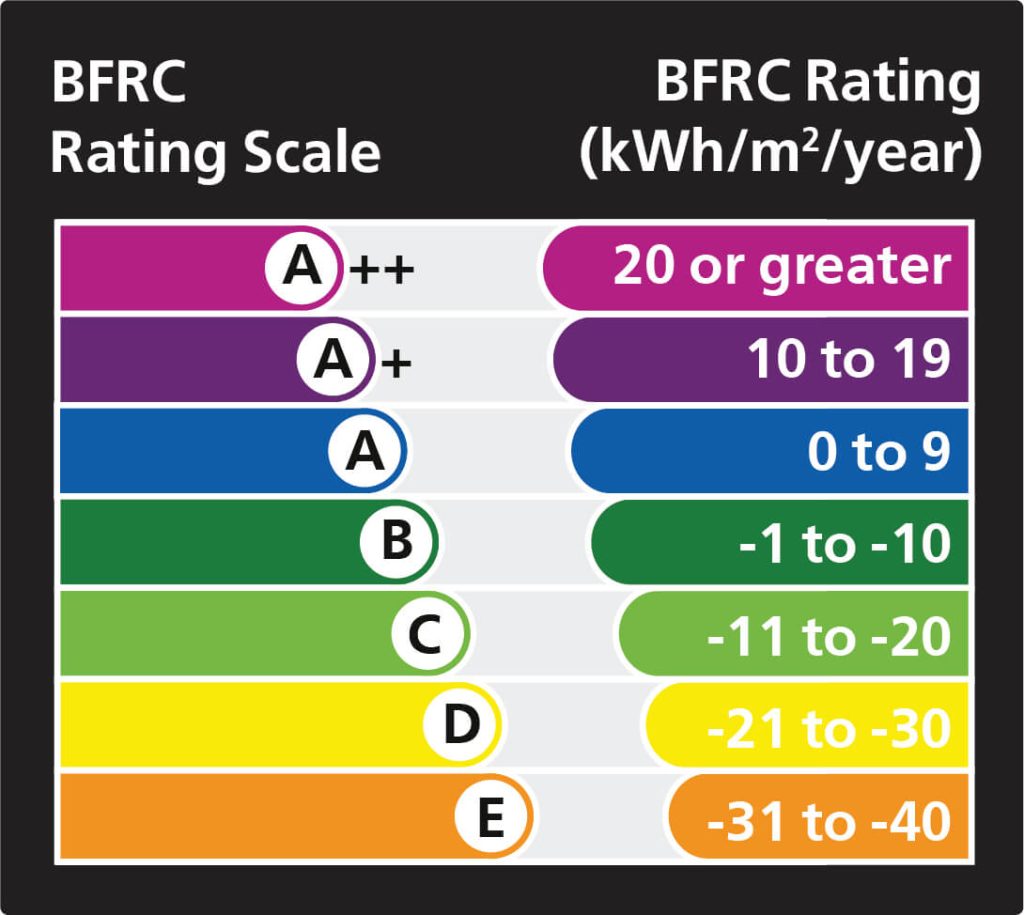
Standard double glazed windows typically have a rating of A to A+ while high-quality triple glazed windows can achieve an A++ rating, according to Everest, a major glazing provider in the UK.
They said that triple glazed windows should be about 20 to 30% more energy efficient than double glazed windows if they are made from the same materials and to the same quality standard.
It must be noted, however, that the actual energy consumption of a window relies on several factors such as the unit’s placement in the house as well as the occupancy, structure, and indoor temperature settings of the building itself. In line with this, the BFRC reveals that their rating system can only allow the accurate comparison of the same types of windows under identical conditions.
2. Better Thermal Efficiency
In situations where the above-mentioned factors may be varied, it would be wiser to look at the individual components of the WER system to evaluate the efficiency of a window unit.
The generally accepted indicator is thermal transmittance (U-value) or the measurement of a material’s insulating capacity. The lower the U-value is, the higher the thermal efficiency. What this means is more heat is kept indoors, especially during colder months.
Depending on the materials used, traditional single pane windows have a U-value of 4.8 to 5 watts per square metre Kelvin (W/m2K), double glazed windows can range from 1.3 to 2.8 W/m2K, while triple glazed windows have U-values as low as 0.6 to 0.9 W/m2K.
Some glazing companies state that triple glazed windows are more thermally efficient than A-rated double glazed windows by as much as 40% and up to 60% compared to C-rated ones.
3. Savings on Energy Bills
Since triple glazed windows are highly energy efficient and more effective at preserving heat indoors than single and double glazed windows, your central heating systems won’t have to work as much to maintain a comfortable ambient temperature inside your home. This can lead to a considerable decrease in energy consumption. As reported by Independent Advisor, some suppliers claim as high as 50% savings on bills with triple glazing.
4. Soundproofing Capacity
To find out how much a window can reduce the transmission of sound waves, two indices must be measured: sound reduction index (SRI) and weighted sound reduction index (Rw). The higher the SRI and Rw values, the more soundproof the window is. Both measurements are affected by the quality and type of glass, the gas filling used, and the installation process.
| Glazing Type | Thickness (mm) | SRI (dB) | Rw (dB) |
|---|---|---|---|
| Single Glazing | 4 (glass) | 27 | 29 |
| Double Glazing | 4 (glass) + 12 (space) + 4 (glass) | 31 | 32 |
| Triple Glazing | 4 + 12 + 4 + 12 + 4 | 35 | 36 |
Based on the data above, triple glazing is the most soundproof setup. However, its difference in performance from double glazing may not be substantial enough to be considered a sole determining factor when deciding which glazing type to invest in.

Considerations
1. Higher Cost
Perhaps the no. 1 question that you have about triple glazing is, “How much more will it cost?” According to Everest, triple glazed windows can be 10% to 20% more expensive than double glazed windows.
Average double glazing costs around £600 to £3,600 per window while triple glazing can range from £660 to £4,320. That’s an estimated £60 to £720 added cost per unit.
The table below provides approximations of the cost difference between double and triple glazing based on the number of windows.
| Number of Windows | Double Glazing Cost | Triple Glazing Cost | Cost Difference |
|---|---|---|---|
| 4 | £5,050 | £5,970 | £920 |
| 7 | £8,650 | £10,260 | £1,610 |
| 9 | £11,050 | £13,120 | £2,070 |
| 12 | £14,775 | £17,535 | £2,760 |
| 16 | £19,700 | £23,380 | £3,680 |
| 20 | £24,500 | £29,100 | £4,600 |
Take note that these prices remain subject to change depending on the glazing specifications and window dimensions. Due to this, many suppliers provide cost per square metre. The average per m2 cost of triple glazing in the UK is around £1,200, Checkatrade reports.
2. Payback Period
Excluding other factors, The Federation of Master Builders says it might take between 40 to 60 years to break even from the cost of upgrading a double glazed three-bedroom property to triple glazing. On the other hand, the average break even period for double glazing is 25 to 41.4 years.
3. Location Suitability
Triple glazing is the standard in colder northern European countries where its high energy efficiency and other features can be maximized. Climate conditions in the UK are considered milder and there is less need for protection against extreme cold.
In terms of their placement in the property, triple glazing is recommended for north facing windows or rooms that receive very little to no sunlight to keep the warmth in and the cold air out.
Impact of Triple Glazing on Property Value
Considering all the benefits you can get from upgrading to triple glazed windows, your property is likely to have some increase in value when it comes down to selling or renting them out.
For instance, a property with greater energy and thermal efficiencies, lower energy consumption, better noise-reducing capacity, and minimal window-improvement needs may have a high value appraisal and appeal more to prospective occupants.
Building Windows in the UK: Where Does Triple Glazing Stand?
Energy Performance Certificate (EPC)
An energy performance certificate or EPC is a required document when a property is to be built, sold, or rented in the UK. Accredited assessors give a property an energy efficiency rating from A (most efficient) to G (least efficient) and the certificate will be valid for 10 years.
Since triple glazed windows are high above the energy efficiency scale, they can very well boost the overall EPC rating of your property.
Building Regulations (Part L) and Future Homes and Building Standard
Part L of the Building Regulations requires new builds in England to have a window U-value of 1.2 W/m2K or lower. Meanwhile, replacement windows must have a U-value of at least 1.4 W/m2K or a B for its WER.
In Wales, the minimum energy efficiency standard for both new and replacement windows is 1.4 W/m2K or a B rating (WER).
Scotland’s U-value requirements for windows are 1.4 for new builds and 1.2 for replacement builds (central pane only).
The Building Regulations will help set up the Future Home and Building Standards which aims to ensure that new homes built from 2025 will produce 70 to 80% less carbon emissions than existing homes built during the old regulations.
The bottom line: As building regulations and efficiency requirements gradually become more stringent in the UK, triple glazed windows are expected to remain highly compliant to them in the foreseeable future.
Passivhaus Standard
Passivhaus or passive house is a structure that has incredibly high energy efficiency. It features a set of specifications, called the Passivhaus Standard, that collectively make it the world’s leading standard for energy-efficient construction.
For context, a 10-year assessment of one of the UK’s first rural affordable Passivhaus schemes has found the residents paying only £120 annually for their heating bills.
Windows can be Passivhaus certified when its U-value is below 0.8 W/m2K, an energy performance that’s easily attainable for some triple glazed windows.
Grants for Triple Glazing
There are currently no grants for triple glazing in the UK. However, the continuous efforts in reducing carbon footprint and CO2 emissions might pave the way for government aid in the future.
On the other hand, several government programs might help you cover double glazing costs. If you’re interested in checking them out, you may refer to our comprehensive guide to double glazing grants.
Is Triple Glazing in the UK Worth It?
Ecoprenurist believes that the answer largely depends on your personal needs and goals. If you live in an urbanized and noisy area or somewhere with a colder climate, then you might get enough benefits from triple glazing to make up for its additional cost.
If not, a high-quality A-rated double glazing would probably give you the same perks for a much lower price.
Or choose both.
You can opt for double glazed windows for rooms that receive more sunlight and triple glazed windows for rooms that tend to be colder, receive less natural light, and are exposed to a noisy outdoor environment.
How much does triple glazing cost?
On average, triple glazing costs can range from £660 to £4,320 per window or around £1,200 per square metre.
Which areas is triple glazing best suited for?
A triple glazed window has soundproofing capacity and is highly effective in keeping the warmth inside a room so it is best suited for properties located in noisy or extremely cold areas.
What is the ROI for triple glazing?
Excluding other factors that may affect the payback period, it could take between 40 to 60 years to break even from the cost of upgrading a double glazed three-bedroom property to triple glazing.
What is the U-value of triple glazed windows?
Triple glazed windows can have U-values as low as 0.6 to 0.9 watts per square metre Kelvin (W/m2K).
Written By

Reviewed By
