
How Does Double Glazing Work? The Science Behind The Glass
In this guide you’ll find:
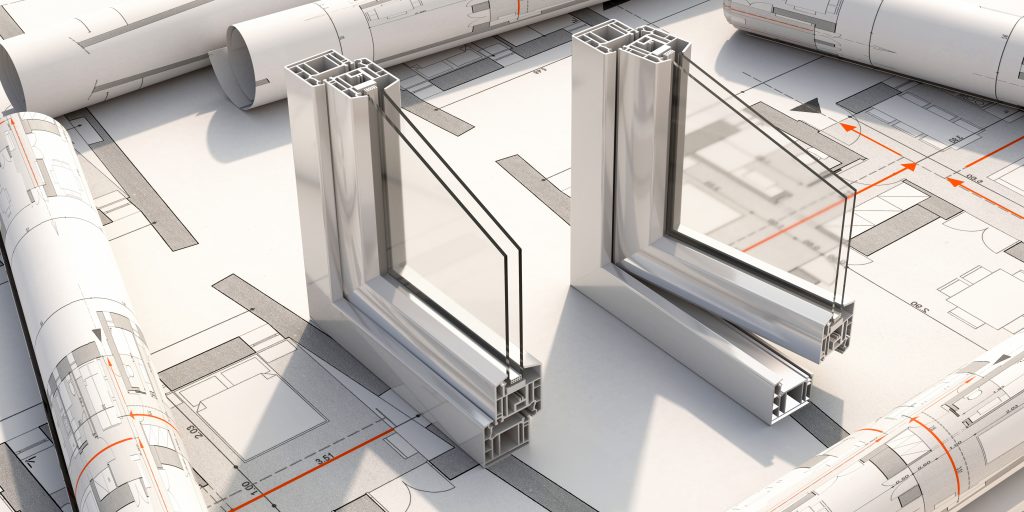
A double glazed window is made up of two panes of glass separated by a gas gap. Each pane is typically 4 mm to 6 mm thick. During manufacturing, gas is pumped in between the window panes to act as insulators. Desiccants are also added into the seal on the window to absorb moisture and prevent condensation.
Double glazed windows don’t stop heat transfer altogether. Heat will always travel as long as there is a medium: even if it is a double glazed window filled with dense, inert gasses. However, double-glazed windows do slow down heat transfer by a great deal.

Key takeaways
- Double glazed windows contain an inert gas like Argon that prevents heat loss during winter.
- Thermally resistant frames, like timber and uPVC, increase the window’s heat retention.
- Low emissivity coating reduces the amount of heat that gets through the glass.
- Seals that contain desiccants prevent condensation.

Compare Window Prices

Get quotes from local installers
1 fast form = 4 low quotes
Save up to £703 per year


Types of glass used in double glazed windows
Float glass
Float glass is made by floating molten glass on a bed of tin or other metal of low melting point. This is the most common method of making glass.
Float glass has an inherently poor insulation property. Therefore, float glasses used in double glazed windows are coated to increase their energy efficiency.
Tempered glass
Tempered glass is made by heating glass at 700 degrees Celsius inside a special furnace. Once heated, it is cooled down rapidly. This makes the core harden much quicker and increases its ability to resist compression.
While tempered glass is stronger than float glass, their energy efficiency is comparable.
Low-E glass
Both tempered and float glass require low-E coating to increase their energy efficiency. Low emissivity (Low-E) coating reflects the heat from the sun back into space and helps keep heat inside your home. It also blocks off infrared and UV rays.
Low-e coating is made from silver oxide and is applied in the inside part of the panes in a double-glazed window. In warmer regions, the coated side faces the exterior to reflect as much sunlight as possible. In colder places, the cooler part faces the interior of the home to increase the amount of heat that is retained.
Gasses Used as Fillers in Double Glazed Windows
Normal air is 78% nitrogen and 21% oxygen. While the composition works well for breathing, it’s not ideal for slowing down heat transfer in double glazed windows.
Heat travels slower in denser mediums. That’s why denser gasses are better in heat retention.
Air-filled windows do exist but they are not the most energy efficient option. Argon, Krypton, and Xenon take the top spot for the job.
Argon
Argon is 1.4 times denser than air. It is the most popular choice for gas filling because it is the cheapest and it does not leak.
Krypton
Krypton is three times denser than air. It performs best in smaller gaps that’s why it is usually used in triple glazed windows.
Xenon
Xenon offers the best comfort during winter months, being 4.5 times denser than atmospheric air. Because of its forbidding price, it is not a popular choice among homeowners.
However, it is the choice of gas filling in high-end houses where windows make up most of the vertical surface and in buildings vying for BREEAM certification.This table shows the optimal gap thickness based on the infill used:
| Infill | Ideal Gap |
|---|---|
| Air | 20 mm |
| Argon | 16 mm |
| Krypton | 12 mm |
| Xenon | 8 mm |
Frames Used in Double Glazing
Frames take up 10% to 30% of a window’s entire surface area. Gas-filled windows can lose a significant amount of the heat they retain to frames, as they are in direct contact with each other.
Frame material has a bigger effect on smaller windows because of the higher frame-to-glass ratio. Timber is the most energy-efficient material followed by aluminum-clad timber, uPVC frames, and aluminum-only frames.
Timber
Timber is the most energy-efficient frame material because it has a low thermal conductivity, just about 1/7 that of brick.
It is also the longest lasting: certified wooden frames can last 60 years. However, timber can cost two to three times compared to other framing materials. It also requires a new layer of paint every eight to 10 years.
uPVC
uPVC window frames have a similar insulation property to timber. But, unlike wood, uPVC does not require regular maintenance since it does not expand or contract.
Aluminum
Traditionally, aluminum is the least energy-efficient window frame. However, some aluminum frames are filled with resin to increase their insulation.
How to Find the Best Deals on Double Glazed Windows
Understanding the type of double glazed window that your home needs can help you find a good deal. You can use our free comparison tool to find the best deals from your local installers, wherever you are in the UK.
Alternatively, you can send us your details and we’ll request competitive quotes on your behalf.
Written By

Reviewed By
