
What Is the Best Type of Double Glazing?
Double glazing is among the most pivotal innovations in the field of window design and construction, but which type is best for your home?
In this guide you’ll find all the pros and cons of each type, with costs and overviews.
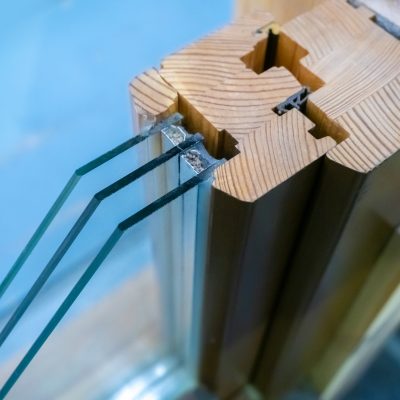
Proven to significantly enhance a property’s energy efficiency and environmental sustainability, double glazing features two layers of glass sheets that are sealed tightly together to repel moisture, water, and foreign objects.
Between the sheets is a gas gap, typically filled with argon or krypton gas, which acts as the main insulating portion of the window unit.
Since its adoption in the UK, double glazing has been constantly refined to meet the changing needs of various structures. This comprehensive guide will shed light on the different double glazing types that are available today to help you discover which type is perfect for you and your property.

Remember
The best type of double glazed window depends on a homeowner’s personal preferences in terms of frame material, window type, glazing style, and glass quality.

Compare Glazing Prices

Get quotes from local installers
1 fast form = 4 low quotes
Save up to £703 per year


What you’ll see here:
Double Glazed Windows Based on Frame Type
Four kinds of frame materials may be used in double glazed window units. Read on to know their distinct set of features, benefits, and cost considerations.
1. Double Glazed uPVC Window
| Description: Unplasticized polyvinyl chloride (uPVC) is a type of engineered plastic. It is widely used in double glazing because it is flexible, impenetrable, non-reactive to common chemicals, lightweight, durable, and resistant to UV light and fire. | 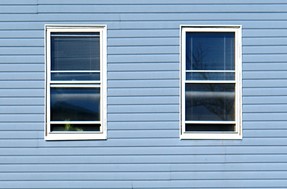 |
| Estimated Cost: uPVC is the most affordable option for double glazing. For reference, one double glazed uPVC casement window costs around £500 – £800. | Benefits: Doubled glazed uPVC windows are budget-friendly, low maintenance, durable, lightweight, and thermally efficient. |
2. Double Glazed Aluminium Window
| Description: Aluminium is another popular choice for windows because of its wide range of customization options. In addition, this metal is reportedly 3.5 times tougher than uPVC. | 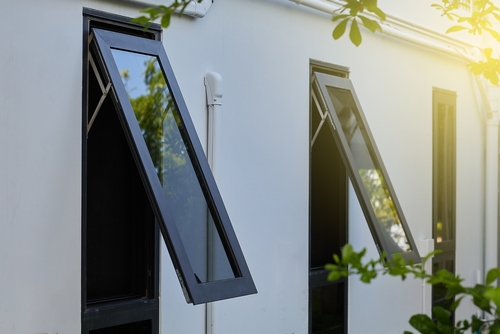 |
| Estimated Cost: Aluminium treads in the middle on the subject of affordability. A double glazed aluminium casement window usually costs £750 – £2,250. | Benefits: Doubled glazed aluminium windows are durable, lightweight, environmentally friendly, energy efficient, versatile, and low maintenance. |
3. Double Glazed Timber Window
| Description: Timber windows are known for their exquisite appearance and durability. Hardwood and softwood are the two kinds of wood used to build them. Because of their traditional look, timber windows are the preferred material for windows of period properties. | 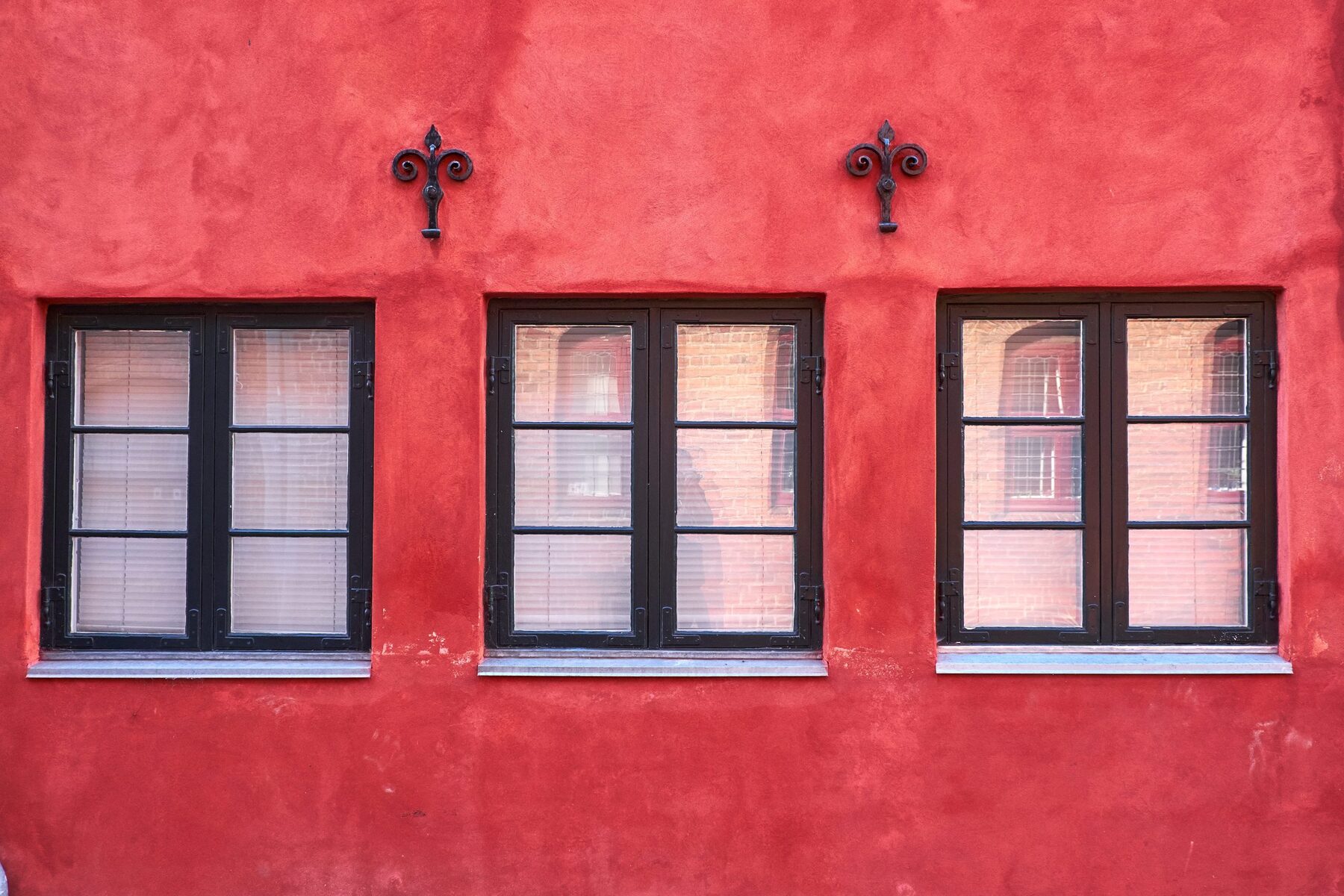 |
| Estimated Cost: Timber is the second most expensive window material next to composites. One double glazed timber casement window could cost anywhere between £1,147 – £1,829. | Benefits: High durability, lifespan of up to 60 years, energy efficiency, and their classic appeal are just few of the main advantages of double glazed timber windows. |
4. Double Glazed Composite Window
| Description: Composite windows offer the combined benefits of two window materials. There are two common types: aluminium clad timber windows and aluminium clad uPVC windows. The former has improved durability but is more expensive while the latter is durable and low maintenance but has a shorter lifespan. | 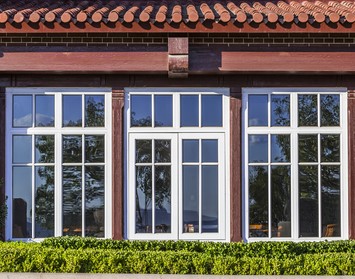 |
| Estimated Cost: Since composite windows have hybrid features, they also tend to be more costly than their single-material counterparts. Their average price is £350 per m2 or about £10,000 to £25,000 for an entire house. | Benefits: Double glazed alu clad uPVC windows are strong, lightweight, low maintenance, and energy efficient. However, alu clad timber windows have superior durability, lifespan, and efficiency performance. |
Variations in Double Glazed Window Types
Among the highlights of double glazing is the compatibility of its framework on most kinds of windows. This is particularly useful for eco-conscious property owners who are looking to build new efficient windows or replace their existing single paned ones since they no longer have to worry about how to effectively incorporate sustainable solutions into their homes.
Below are the different versions of double glazed windows according to window type.
1. Double Glazed Sash Window
| Description: A sash window is a vertically sliding window made up of two panels called “sashes”. They are not only elegant, they’re also highly customizable to match the aesthetics of modern and period properties alike. |  |
| Estimated Cost: The cost of double glazed sash windows may vary depending on several factors. Relative to the frame material, they cost around £1,800 for uPVC, £2,250 for aluminium, and £2,700 for timber. | Benefits: Aside from conveying a historical significance, sash windows are small-space friendly, secure, easy to clean, and provide good ventilation without exposing the panels to external elements. |
2. Double Glazed Casement Window
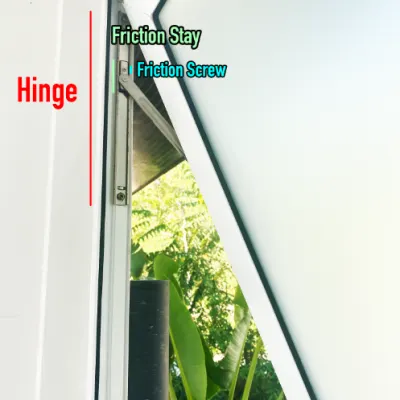
| Description: Casement windows are single or multi-paneled windows hinged on the side, top, or bottom and open outwards. Either flushed or lipped, different furniture options are available to operate casement windows with ease. | 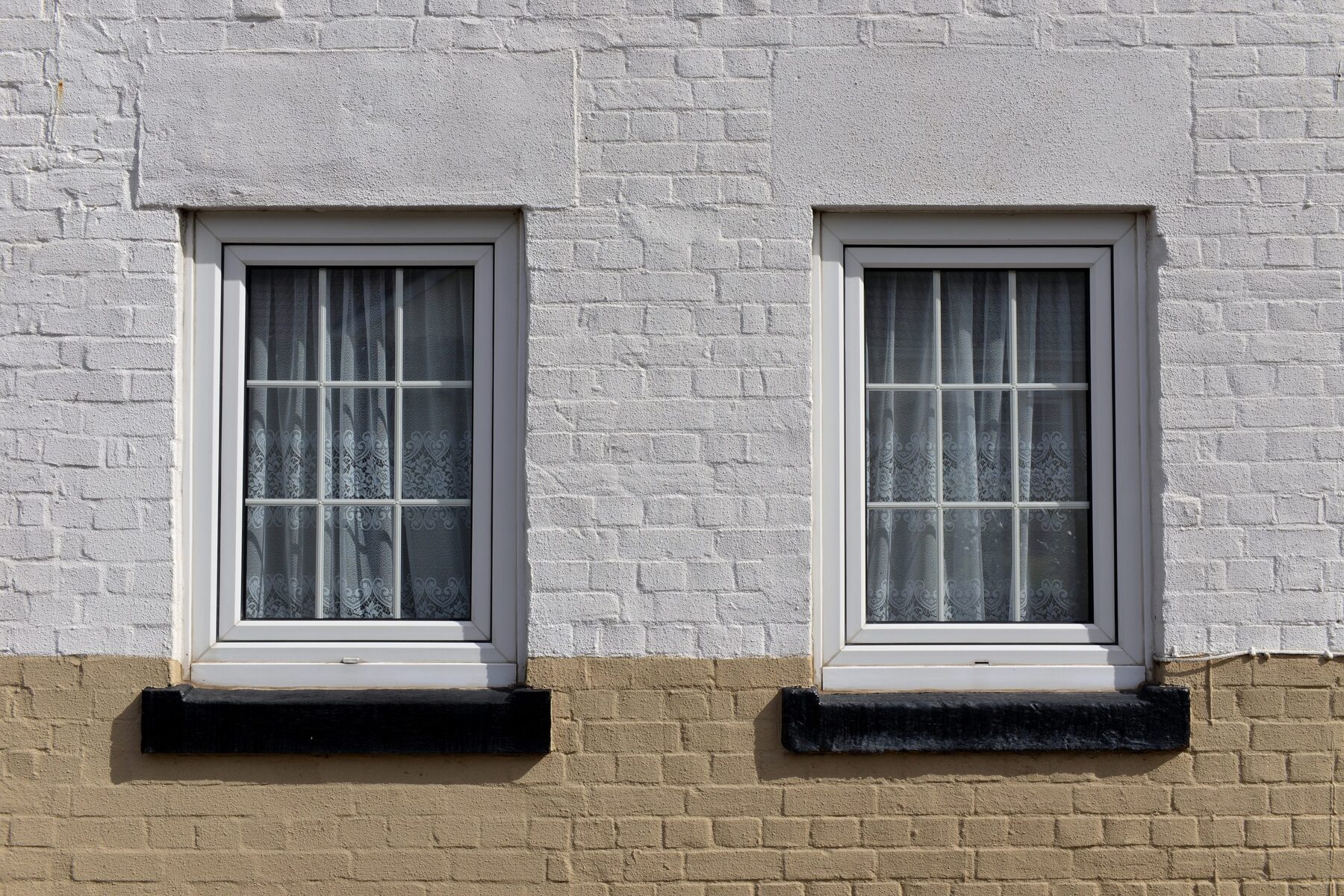 |
| Estimated Cost: Average cost of one double glazed tilt and turn window: £1,200 for uPVC, £1,500 for aluminium, and £1,800 for timber framings. | Benefits: Casement windows provide maximum ventilation as they can be opened fully. They’re designed to seal tightly when closed, offering high security, energy efficiency, and soundproofing. |
3. Double Glazed Tilt and Turn Window
| Description: Feature a specialized hinge system which enables it to be opened inwards like a side-hung casement window or tilted from the top in the same direction to securely allow ventilation. |  |
| Estimated Cost: Average cost of one double glazed tilt and turn window: £1,500 for uPVC, £1,880 for aluminium, and £2,250 for timber framings. | Benefits: Advantages of double glazed tilt and turn windows include flexible ventilation and easy maintenance, making them ideal for small spaces that need versatile windows. |
4. Double Glazed Bay Window
| Description: Bay windows are protruding windows typically composed of three glass panels. The middle panel serve as a picture window and is generally larger than the two windows flanked at the sides. On top of making the exterior of a property appear stylish, they also make the interior more spacious. | 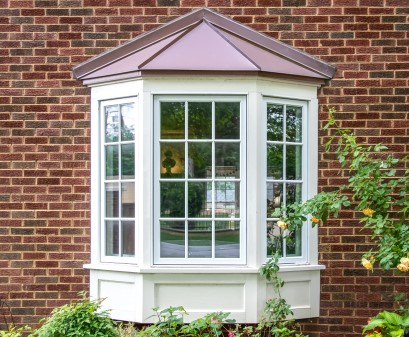 |
| Estimated Cost: Approximate price of a double glazed bay window: £3,000 for uPVC, £3,750 for aluminium, and £4,500 for timber framings. | Benefits: Double glazed bay windows elevate a property’s curb appeal thereby positively impacting its value as well. Since they are multi paned, they allow more natural light and ventilation to reach indoors. |
Double Glazing on Popular Window Styles
Most modern homes feature clear double glazed windows composed of uninterrupted panes of glass, meaning they’re built with no glazing bars or divisions for a more minimalist look. However, if you want yours to give off a sense of timeless elegance, you can choose among these era-inspired windows below.
1. Double Glazed Georgian Window
| Description: Georgian windows are characterized by small glass panes often arranged in a 6 over 6 grid-like pattern. They are one of the architectural hallmarks of the Georgian era which ran from 1714 to 1820. Nowadays, this style is achieved by fitting glazing bars such as Georgian bars and Astragal bars to the double glazed unit. |  |
| Estimated Cost: The price of one Georgian casement window is in the region of £400 to £700, depending on its specifications. | Benefits: Double glazed Georgian windows are sophisticated and may impart an added value to your property. Double glazing makes them energy efficient but their other characteristics are influenced by several factors such as the type of frame material used to build them. |
2. Double Glazed Victorian Window
| Description: Victorian windows feature large glass panes fitted with thin bars called muntins to exhibit a 2 over 2 grid-like design. They come in different shapes such as rectangular, square, arched, or curved outward (bay windows), with frames that showcase detailed moulding. |  |
| Estimated Cost: Like Georgian windows, Victorian windows are also fitted with glazing bars, making their cost more or less similar to that of a double glazed Georgian window. | Benefits: Has a historical yet elegant flair, boosting the visual appeal of your property. They may also be customized for contemporary homes by using durable and easy-to-maintain aluminium or uPVC frame. |
3. Double Glazed Edwardian Window
| Description: Edwardian windows display a combination of the most admired features of Georgian and Victorian style windows. They are typically composed of an upper sash with multiple small panels and a lower sash with only one or two panels. |  |
| Estimated Cost: A single doubled glazed Edwardian window is likely to cost more or less similar to a double glazed Georgian or Victorian window. | Benefits: Compared to its Georgian and Victorian counterparts, double glazed Edwardian windows allow more light to enter a room whilst still showcasing a traditional appearance. |
Glass Selection for Double Glazing
While double glazing is a highly effective way to create energy efficient, secure, and durable windows, you can fortify the technology even more by integrating one of these functional glass sheets in the double glazed unit:
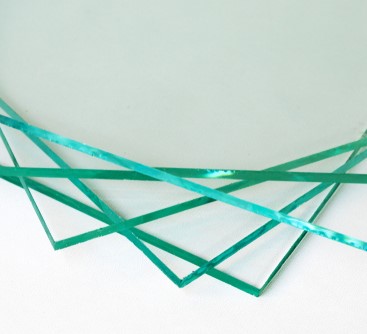 Float Glass This is the most common and cheapest type of glass. It can be processed into other glass types. | 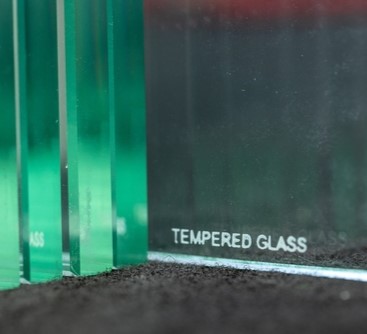 Tempered Glass Also known as “safety” or “toughened” glass, they are up to 5x stronger than float glass. | 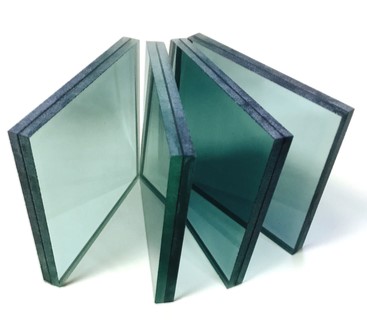 Laminated Glass Extra durable glass commonly used in properties that need more security. |
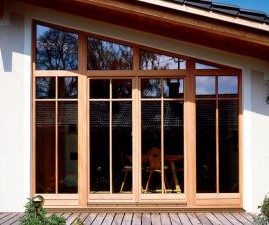 Low-Emissivity Glass Low-E glass emits low levels of radiant thermal energy, minimizing heat loss. Photo source: Saint-Gobain Glass |  Self Cleaning Glass Coated with titanium dioxide which repels water and prevents dirt from building up. Photo source: Saint-Gobain Glass | 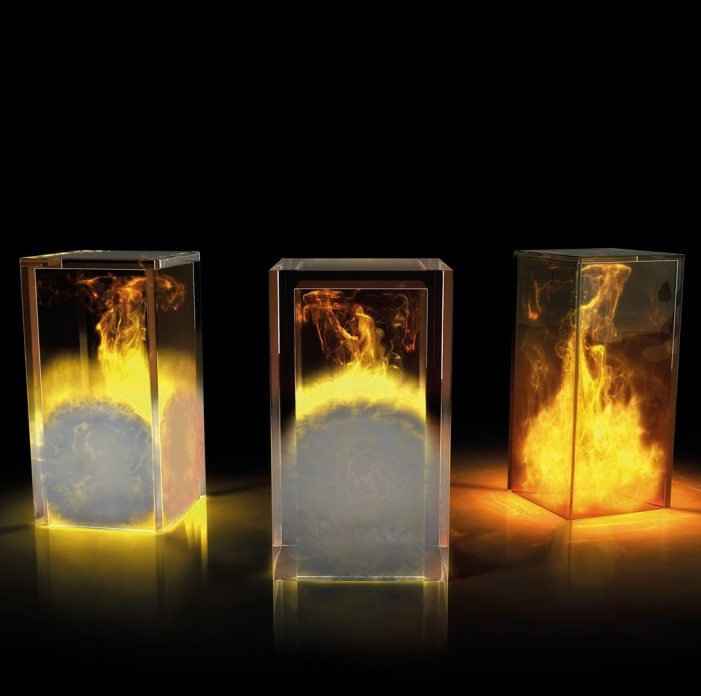 Fire Resistant Glass They are specially treated to prevent the spread of smoke and fire for an estimated period of time. Photo source: Pilkington |
What is the best type of double glazing?
You now have a grasp of how diverse double glazed window profiles are, which naturally prompts the question, “So which of them is the best?” Well, it’s important to understand that there is no “one type fits all” but to aid in your decision-making, Ecopreneurist has come up with this step-by-step guide for choosing a double glazed window configuration based on your priorities as a homeowner as well as on the specific standards that you have set for your property.
Step 1. Pick your frame material.
| Feature | uPVC | Aluminium | Timber | Composite |
|---|---|---|---|---|
| Affordability | ⭐⭐⭐⭐⭐ | ⭐⭐⭐ | ⭐⭐ | ⭐ |
| Thermal Efficiency | ⭐⭐⭐⭐ | ⭐⭐ | ⭐⭐⭐⭐ | ⭐⭐⭐⭐⭐ |
| Durability | ⭐⭐⭐ | ⭐⭐⭐ | ⭐⭐⭐⭐ | ⭐⭐⭐⭐⭐ |
| Lifespan | ⭐⭐ | ⭐⭐⭐ | ⭐⭐⭐⭐ | ⭐⭐⭐⭐⭐ |
| Lightness | ⭐⭐⭐⭐⭐ | ⭐⭐⭐⭐ | ⭐⭐⭐ | ⭐⭐⭐ |
| Sustainability | ⭐⭐ | ⭐⭐⭐ | ⭐⭐⭐⭐⭐ | ⭐⭐⭐⭐ |
Step 2. Select a window design.
| Clear | Georgian | Victorian | Edwardian |
|---|---|---|---|
| • uninterrupted pane | • 6 over 6 gridlike design • 6 to 12 smaller panes | • 2 over 2 gridlike design • ornate frames • detailed moulding • stained glass | • grid patterned upper sash • clear or 2-paned lower sash |
Step 3. Choose your window type.
| Casement | Sash | Tilt & Turn | Sliding | Bay | Bow |
|---|---|---|---|---|---|
| hinged and completely opens | vertically sliding and traditional | versatile and secure | horizontal sliding and compact | picturesque and elegant | spacious and curved |
Step 4. Specify the variety of glass.
| Feature | Float | Tempered | Laminated | Low-E | Self Cleaning | Fire Resistant |
|---|---|---|---|---|---|---|
| Affordable | ✔ | ✔ | ||||
| Energy Efficient | ✔ | ✔ | ||||
| Fire and smoke resistant | ✔ | |||||
| Low Maintenance | ✔ | |||||
| Durable | ✔ | ✔ | ✔ |
If for instance, you are planning to build a double glazed window with these specifications: affordable and thermally efficient frame material, a 6 over 6 gridlike panel design, vertically sliding and elegant, with an energy efficient and low maintenance glass, then you are most likely going to favour a uPVC Georgian sash window with a self cleaning glass.
After knowing the perfect double glazed window type for you, you may already proceed to the next crucial step.
Step 5. Find a trusted supplier.
| Company |  |  |  |  |  |
| Guarantee | 10 years | 10 years | 12 years | 10 years | 5 years timber 10 years UPVC and aluminium |
| TrustPilot Rating | 4.4/5 | 3.9/5 | 4.5/5 | 4.8/5 | 4.6/5 |
| Finance | 9.9% APR 36-180 months | 12.9% APR 36 months | Varies by lender 0% options available | 3.9% APR with 2-5 year term or 0% APR with 4-year term | Not specified on website |
| Materials | Timber Aluminium UPVC | Timber Aluminium UPVC | UPVC | UPVC with timber sills | Timber Aluminium UPVC |
In case you would like to know more about the double glazed window types that you’re now interested in, there is an advanced quotation-comparison tool that analyzes offers from approximately 38 reputable companies. Not only will you receive four of the best deals currently available on the market, you could also grab up to 47% of savings. What’s even better is it’s completely free and requires no obligation on your end.
If you’ve reached this far, Ecopreneurist would like to congratulate you for jumpstarting your journey to double glazing with us!
What is double glazing?
Double glazing is an innovative window technology consisting of two layers of glass panes that are sealed tightly together to prevent moisture, water, and foreign objects from getting in between. In the middle of the panes is a gas gap, typically filled with argon or krypton that acts as effective heat insulators to keep homes and buildings warm during winters and cool during summers.
What are the differences between Georgian, Victorian, and Edwardian windows?
Georgian windows are characterized by 6 over 6 small glass panes arranged in a grid-like pattern and connected by vertical and horizontal bars. Looking similar to Georgian windows, Victorian windows feature a 2 over 2 grid-like design. Edwardian windows feature an upper sash composed of multiple small panels and a lower sash of only one or two panels.
What are the distinct characteristics of uPVC, aluminium, and timber as frame materials for windows?
uPVC is affordable, lightweight, and low maintenance, aluminium is customizable, recyclable, durable, and sleek, while timber is long-lasting, elegant, and environmentally friendly.
What are the most common window types and how do they differ from each other?
The most common window types are casement, sash, tilt and turn, sliding, bay, and bow windows. Casement window is hinged and completely opens outward, sash window is vertically sliding and traditional looking, tilt and turn window is versatile and secure, sliding window is horizontally sliding and compact, and bay and bow windows are both protruding windows but the former contains a large picture window in the middle while the latter feature same sized window sections.
Now read:
Written By

Reviewed By
