
Popular Types of Glass Used in Double Glazed Windows
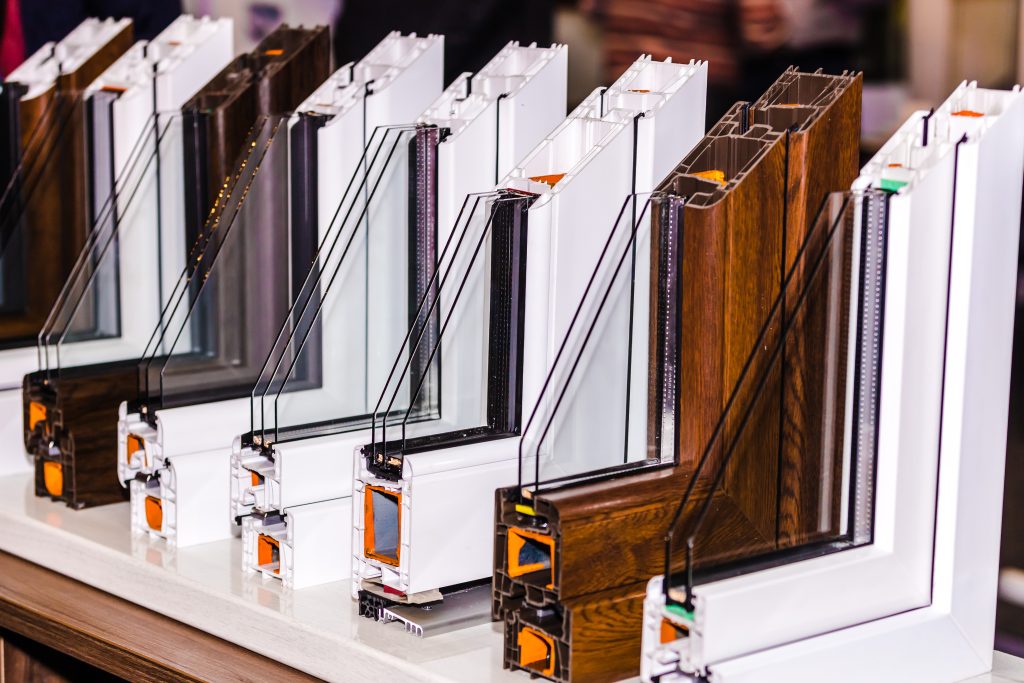
Float glass is the most commonly used type of glass in double glazed windows. Low-emissivity glass is the most energy efficient. If you’re looking for sturdier types of glass, you can choose between tempered and laminated glass. You can also find fire-resistant glass in the market.
In this guide, you’ll find:

Key takeaways
- The best type of glass for a window depends on your priorities and, in some cases, its location.
- Each type of glass has its own advantages and disadvantages.
- When shopping for windows, there are other factors you need to consider such as frame types, gas fills, and window design.

Quick Comparison of Glass Types
| Homeowner Priority | Recommended Glass Type | Benefits |
|---|---|---|
| Cost | Float | Most common, cheapest type of glass Can be turned into other glass types |
| Security | Tempered glass | Tougher than laminated glass Breaks into rounded, blunt pieces when shattered |
| Energy efficiency | Low emissivity (low-e) | Maximises an home’s heat retention or heat resistance, depending on the type |
| Fire safety | Fire-resistant | Remains intact at high temperature for a prolonged period Some types darken when heated to warn occupants of fire |
Compare Window Prices

Get quotes from local installers
1 fast form = 4 low quotes
Save up to £703 per year


Float Glass
Key Features:
- Extremely flat and smooth
- Zero distortion
Disadvantages:
- Weaker compared to tempered and laminated glass
- Disintegrates into sharp shards when it breaks
Also called “annealed” glass, float glass is the most common type of glass and is the material from which many other types of glass are made. Most double glazed windows use 4mm float glass.
Float glass offers the best exterior view among glass types as it has zero surface distortion. This means that you can look out of your window with as clear a view as it gets.
Tempered Glass
Key Feature:
- Stronger than float glass
- Up to five times stronger than annealed glass
Disadvantages:
- Not as insulating as low-E glass
- More expensive compared to float glass
Tempered glass is also known as “safety” and “toughened” glass because it is much stronger than regular glass. When it breaks, it forms rounded chunks instead of sharp, jagged shards.
It is ideal for shower enclosures, children’s rooms, and glass doors. In the UK, building regulations require tempered glass to be used in certain glass surfaces.
Safety Glass Regulations for Windows
All doors, windows, and glazed surfaces that in critical locations should be fitted with safety glass. These locations are:
- Glazing in doors that are lower than 1500 mm.
- Glazing in windows and side panels that are adjacent to doors; that are 1500 mm from the floor and 300 mm from the edge of doors.
- Low-level glazing that is within 800 mm from the floor.
Laminated Glass
Key Features:
- Extremely tough
- Does not shatter when it breaks
Disadvantages:
- Reduces natural light
- More expensive
- Heavier than other glass types
Laminated glass is most commonly used in car windshields. It is also commonly installed in store fronts, frameless glass railings, and commercial buildings. Laminated glass can be used in double glazed windows to increase security and reduce noise level.
Soundproof double-glazed windows are made of laminated glass and can reduce noise by up to 35 decibels (dB). This level of noise reduction is enough to minimize most external noise. However, it may not be able to protect you from loud noises coming from traffic, trains, and airplanes.
Low Emissivity (Low-e) Glass
Key Features:
- Low heat transfer
Disadvantages:
- May interfere with cellular signals
- Reduces visibility
Low emissivity (low-e) glass limits “emissivity,” the rate that an object absorbs or gives off heat. Low-e glass is the most energy efficient type of glass.
There are two types of low-e glass:
Passive:
- Keeps interior heat in.
- Allows solar heat in while limiting the amount of solar heat that escapes.
- Typically used in colder climates.
- Also known as “hard coat.”
Solar control:
- Allows visible light to pass through while minimizing the amount of ultraviolet and infrared light.
- Typically used in warm climates or areas that get plenty of sunlight.
- Also known as “soft coat.”
Please note that other factors, such as the type of frame and gas filling used, can affect the energy efficiency of a window.
Self-Cleaning Glass
Key Feature:
- Little to no cleaning required
Disadvantages:
- Expensive, may not be practical for every window
- Needs to be installed in areas that get sunlight to active self-cleaning
Self-cleaning glass is coated with titanium dioxide which chemically reacts with dirt. It takes between 12 to 48 hours to complete the self-cleaning process.
Self-cleaning glass is typically installed in glass roofs and roof windows. It is best for double glazed windows that are in inaccessible locations.
Please note that ultraviolet is needed to trigger the chemical reaction that makes the self-cleaning process happen. Therefore, self-cleaning windows should be installed in areas that get sunlight.
There are two types of self-cleaning glass:
Hydrophobic
- Repels water
- Prevents dirt and smear from building up
Hydrophilic
- Attracts water
- Breaks up dirt by spreading water all over the glass
Fire-resistant Glass
Key Feature:
- Resists and limits the spread of fire
Disadvantages:
- Low transparency
Fire-resistant glass is specially treated to prevent the spread of smoke and fire for an extended period of time. Wire is embedded into this glass type to reinforce its structural resistance to fire.
Typically, it is used in doors and partitions to create a safe evacuation route in case of fire. There are different ratings for the fire resistance of glass:
E rated
E rating is usually followed by a number. For example, E60 means that the glass is rated to stay in one piece for at least 60 minutes of exposure to fire.
EW rated
An EW rated glass is similar to an E rated glass but is capable of insulating against radiated heat. Typically, it will turn opaque when exposed to a certain amount of heat to warn occupants when a fire occurs.
EI rated
EI rated fire glass can stay in one piece and prevent the spread of heat for an extended amount of time. Its rating typically has two numbers that indicates its integrity and insulation properties. For example, EI 30/30 means that the glass will stay intact and resist heat conduction for thirty minutes.
Conclusion
The cost and energy efficiency of windows depend on factors other than glass type, including frame types, gas fills, and the type of the window itself.
If you need our assistance in requesting quotes, please let us know. We’ll request quotes for you – at absolutely no cost and no obligation.
Written By

Reviewed By
