
How to Care for Wooden Windows
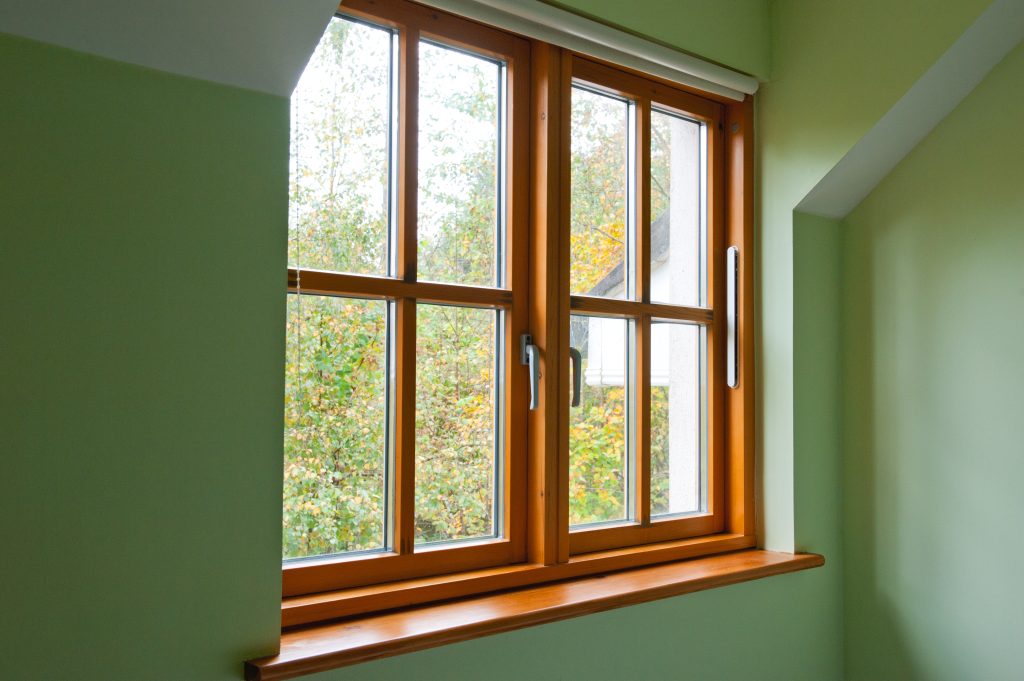
Wooden windows are designed to be maintained rather than replaced. With proper care and maintenance, timber windows can last a lifetime.

Key takeaways
- Timber windows made from hard wood can last up to 60 years.
- To maximise your wooden windows’ lifespan: keep it away from water and moisture and repaint periodically.
- Replace damaged weather seals to retain the energy efficiency of your windows.
- You can cover gaps in warped windows with weather stripping. But ultimately warped or bowed windows need to be replaced.

In this guide, you’ll find:
Lifespan of Timber Windows
Hardwood windows can last up to 60 years with proper care and maintenance. Softwood, depending on the specific type, can last from 10 to 25 years.
To help you get a picture of your timber window’s lifespan, let’s look at the types of wood typically used as frames.
| Hardwood | Softwood |
|---|---|
| Ash Alder Beech Birch Maple Oak Walnut | Cedar Douglas fir Pine Redwood Spruce Yew |
Softwood comes from fast-growing trees. While it is not as durable as hardwood, it makes for a perfect material in frames with intricate designs. Hardwood, on the other hand, can be difficult to carve and manipulate.
You will often see hardwood in simple, century-old windows; particularly those installed in listed buildings.
Compare Window Prices

Get quotes from local installers
1 fast form = 4 low quotes
Save up to £703 per year


Care Tips for Wooden Windows
- ✓Coat wooden frames with fresh paint every 18 to 24 months. To maximise their lifespan, consider repainting every 6 to 8 years.
- ✓Protect your window frame from rainwater to prevent premature decay.
- ✓Wipe condensation off frames and sashes.
✓Make sure that your home is adequately ventilated to prevent moisture buildup. Install trickle vents as necessary.
✓Use low-emissivity (low-e) glass in areas that are exposed to plenty of sunlight. This will help increase the lifespan of the indoor frames. Low-e is a type of glass that can block harmful sun rays. They are particularly useful in south-facing windows.
✗Keep plants away from windows as they can collect moisture and restrict ventilation.
Washing Tips for Timber Windows
Painted Windows
- Use a soft brush and a scouring pad to remove dirt before washing.
- Soapy, lukewarm water is often enough to clean dirt. If needed, you can apply diluted bleach to remove mould patches or stains.
- Do not use bleach on worn out paint, as bleach can seep through and damage the wood.
Stained Wood
- Avoid using bleach on stained wood.
- Clean with a soft sponge dipped in mildly soapy water.
How to Repaint a Wooden Window Frame
Why it’s important
You will need to refinish a wooden window when the paint starts to come off. If left unpainted, exposed wood could absorb excessive moisture; which can lead to rotting or warping.
Unpainted wood may also invite termites and insects.
You will need:
- Tape and masking paper (or old newspapers)
- Medium-grit sandpaper (120-180)
- Fine sand paper (180-220)
- Caulking/wood fillers
- 1 1/2-in brush
- 3-in brush
- Paint primer
- Top coat
Preparing the window frame
- Tape off the window glass with masking paper or old newspapers to protect it from scratch.
- Use a scraper to remove big chunks of loose paint.
- Sand the window with a medium grit sandpaper.
- To get to the tight corners, fold the sandpaper a few times. This will make the sandpaper stiffer and better at reaching nooks.
- With a utility knife, pluck out old finish or dirt in the tiniest corners. Detailing the corners will give your window a clean finish.
- Sand the wood with a 180-220 grit paper to smooth out the wood surface.
- Seal the gaps and cracks in the frame with the right type of wood filler. Please note that some wood fillers are suitable only for indoor use.
- Smooth out the caulking with a fine-grit sandpaper.
Painting the frame
- Start with a wood primer. The primer will increase the lifespan of the paint and will improve the adhesion of your top coat.
- Brush along the inside edge with a 1 1/2-in brush, making your way outwards. Use a 3-in brush to paint on bigger surfaces.
- Leave the primer to dry for an hour or two.
- Apply your top coat in the same pattern: inside edge then going out, small brush then big brush. Thin coats, applied with long brush strokes, make the best finish.
- Let the first layer of coating dry completely before applying the second layer of paint.
Painting with a roller
You will need:
- 4-in roller
- 2-in cutting in brush
- Roller screen
- Paint bucket
- Prepare your window for painting outlined above.
- Use a cutting in brush to paint areas that the roller will not reach.
- Place the roller screen at an angle in the bucket.
- Soak the roller in the paint bucket.
- Move the roller gently several times on the screen to remove excess paint.
- Paint slowly in an up-and-down pattern. Do not roll too fast to prevent paint drops from splattering all over the frame.
For interior frames, a smooth finish foam roller works best.
For outdoor frames, you can use a medium or short pile roller to give wooden frames a textured finish.
How to Deal with Warped Windows
Warped windows need to be replaced. Warping creates gaps which lead to huge heat loss.
Causes of Warping
Moisture. Water can seep through gaps, chips, exposed wood. As wood holds water for a long period, it will shrink or expand.
Poor finishing. Low-quality window paint will not be able to resist weathering, particularly in the UK where the air tends to be humid.
Temporary fix for warped sashes and frames
Reposition the hinges. This might make it a bit easier to open and close the window.
Add weather stripping. Sealing in the gaps will add comfort and help reduce energy loss. Put enough stripping so that the window gently presses on them, effectively sealing any gap.
These are temporary solutions for deformed wooden windows. It’s best to replace bowed sashes and frames as soon as you can.
How to Replace Weather Stripping
Weather stripping, depending on the type, can last 1 to 3 years. It needs to be replaced regularly to maintain the energy efficiency of your windows.
Look out for signs that your weathering stripping gave out:
- Light comes through between the edge of a wooden sash and window frame.
- Draughty feeling near your window.
- The weather strips are torn or detached from the frame.
- Excessive condensation around the frames.
Do a paper test:
- Close your window.
- Try to slide a piece of paper between the sash and the frame.
- If you can pull the paper through without any tear, it might be time to replace the weather seal.
| Type of Weather Stripping | Material | Best for |
|---|---|---|
| Sponge tape | Closed-cell sponge rubber | Irregularly shaped gaps |
| Felt tape | Flexible metal | Window sash |
| Tension seal | Self-stick vinyl | Sliding window |
| Reinforced foam | Closed-cell foam | Window stops/top and bottom of a sash |
| Reinforced vinyl | Vinyl gasket | Window stops/top and bottom of a sash |
| Silicone | Silicone | Bottom and sides of a window sash |
| Fin | Plastic and Mylar | Sliding aluminum windows |
Steps to replacing weather seals:
- Find the right weather seals for your timber window. If you can, bring a sample of the weather stripping to your local hardware store.
- Before installation, thoroughly clean window frames, tracks, and sashes to remove dirt that can create air gaps.
- Strip off old seals.
- Thoroughly remove adhesive residue.
- Measure and cut the weather stripping. Keep in mind the old adage: “Measure twice, cut once.”
- Close your windows can check for gaps to ensure that your window is thoroughly draught-proof.
Always remember, the most energy-efficient windows can do their job best if the seals are well-maintained.
Conclusion
Window replacement is rarely necessary. You should only replace windows when they are beyond repair.
If you have judged that your wooden window has served its lease, then it’s time to start shopping online. Typically, the cost of timber windows is around £1,147-£1,829. It is definitely the most expensive type of window.
However, its longevity and classy look more than makes up for its price. Be sure to get the best deals online through our price comparison tool. Or get in touch with us: we’ll request quotes for you at zero cost and absolutely no commitment.
Now read:



Written By

Reviewed By
