
Top 10 Benefits of Double Glazing for UK Homes
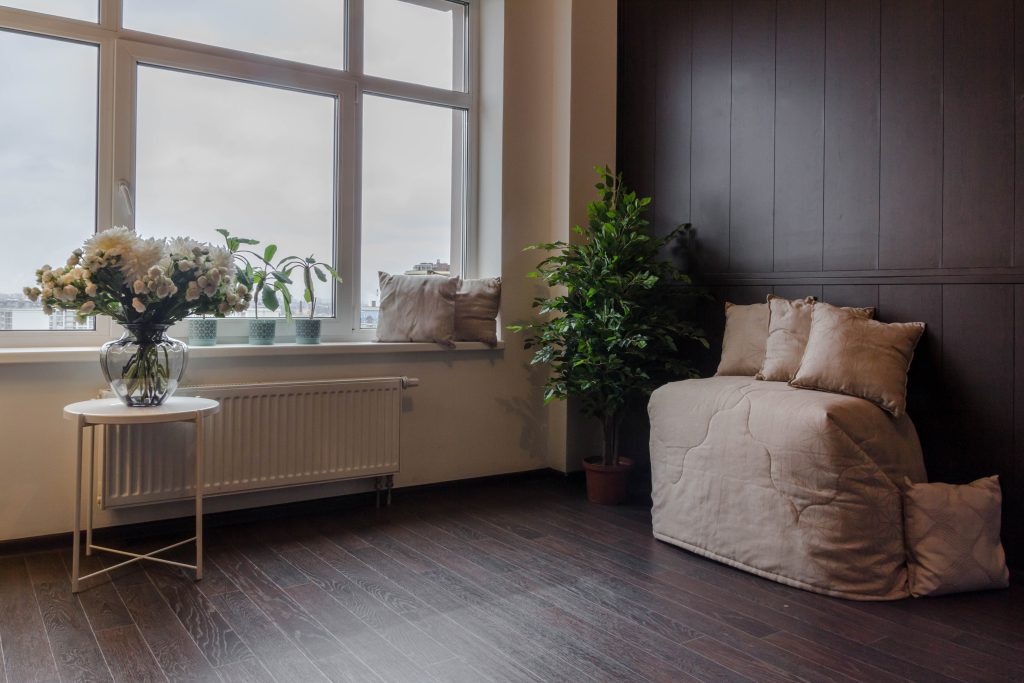
Double glazed windows can increase the value of your property, make cold months more comfortable and help reduce your carbon footprint.
While the initial cost may be steep, the typical price of a uPVC window is around £500 – £1,250 each, it’s an investment that brings practical and financial benefits. In this post, we’ll look into the benefits of double glazed windows for homeowners in the UK.
The top 10 benefits of double glazed windows are:
Higher Property Value
According to This is Money, double glazing can increase the value of a home by 10%. Installing thermally efficient windows is akin to building a modern kitchen or improving your landscaping: it makes a property more desirable to renters or potential buyers.
This desirability (which translates into higher value) can be attributed to these reasons:
- Double glazed windows add comfort especially during winter, making a property a more inviting place to live in.
- Energy efficiency appeals to people who are mindful of their budget and/or their impact on the environment.
- Double glazing reduces ambient noise, which improves the quality of sleep and home living.
Compare Window Prices

Get quotes from local installers
1 fast form = 4 low quotes
Save up to £703 per year


Improved Security
In and of itself, double glazing does not make your home more secure–unless you’re installing toughened glass. But it can add to the level of your home security in a couple ways:
- The extra layer of glass increases the force needed to break in, which can deter burglars.
- Insulated glass units, especially those on the market in 2024, use much thicker glass to comply with building regulations.
- Different types of double-glazing frames and windows allow for more design options, including more durable and secure windows.
- Criminals may exploit older, deteriorated windows to gain access to your home. Newer double glazed windows help reduce such risks.
Are you thinking of upgrading your windows to increase security? The National Protective Security Authority suggest these upgrades:
- Multi-point locks
- Laminate glass with polycarbonate
- Anti-tamper heads
- Hinge claws (to protect hinges from forced entry)
- Security Screens
- Window bar sets
Lower Energy Bills
According to the Energy Saving Trust, a gas-heated, semi-detached home can save £165 each year on energy bills with A-rated windows or £180 with A++ rated windows.
Up to 60% of a home’s heat can escape through single glazed windows. Installing a double glazed window will make your home more comfortable in the cold months and reduce your heating bills drastically.
The Department of Energy & Climate Change (DECC) estimates these yearly energy savings for various energy ratings:
| Energy Rating | Detached | Semi-detached | Mid-terrace | Bungalow | Mid-floor flat |
|---|---|---|---|---|---|
| A | £120-155 | £80-110 | £65-85 | £65-85 | £40-55 |
| B | £110-140 | £75-100 | £60-80 | £60-80 | £35-55 |
| C | £105-135 | £75-95 | £60-75 | £60-75 | £35-50 |
Compliance to New Building Regulations
Building regulations will continue to be updated as the UK moves towards its commitment to net-zero emissions in 2050.
In recent years, new regulations were introduced as the UK gets closer to that goal. Among other things:
- Windows need to achieve a U-value of at most 1.4 W/m²K.
- Homeowners must be able to demonstrate adequate ventilation, at the very least, by installing trickle vents where needed.
Down the line, installing double glazed windows will not only be the energy-savvy thing to do–it will be necessary to comply with building regulations.
Tip: One way to ensure that your new installations comply with Building Regulations is to hire individuals and enterprises listed in the Competent Persons Register. The UK government introduced the register as an alternative to working with an approved inspector or submitting a building notice.
Lesser Condensation
When there is enough temperature difference between a source and the ambient air, condensation can build up. On single glazed windows, you will often see condensation build up quickly as the heating is powered on.
Condensation forms because heated air turns into water when it touches cold glass. This is less likely to happen on double glazed windows. Because there is a significant insulation against the outside temperature, the inside pane remains at more or less the same temperature as the heated indoor air.
As a result, condensation is unlikely to build up.
Please note though that there are other reasons that can cause air to condense. Learning how to deal with condensation on double glazed windows will help increase the lifespan of your window on top of giving you a more pleasant outdoor view.
Noise Reduction
Nearly 15% of people in London are constantly exposed to noise of up to 65 decibels during the daytime. Constant exposure to such noise (caused by road, rail and air transport), can have alarming health effects.
- Chronic exposure to noise above 70 decibels can lead to hearing damage.
- In urban areas, trains can produce noise at around 90 decibels when measured from a distance of 100 feet.
- The World Health Organisation (WHO) recommends noise levels of less than 40 decibels for a peaceful night’s sleep.
While you cannot eliminate noise, you can manage it to a healthy degree with double glazed windows.
The two glass panes and the compressed air filling reduce the sound vibration that reaches the interior of your home. Some sound-proof windows can reduce outside noise by 44 decibels.
Tip: Curious to know how loud your environment is? Try installing a sound metre app on your home. It may not be as accurate as an actual decibel metre, but a sound metre app can give you a good enough idea of the noise level around you.
Greater Comfort
Picture this: you’ve just finished making your coffee and you’re about to sit by the window to enjoy the beautiful morning view but an overpowering cold stops you as you approach the window.
In such a scenario, so much heat escapes through your window that no amount of heating can keep you comfortable as you sit next to it.
Fortunately, double glazed windows do such a terrific job at keeping heat in:
- The typical thickness of one pane in a double glazed window is 14-24mm. This significantly slows down heat loss.
- The gas fillings add a layer of insulation between the glass panes.
- Some double glazed windows come with thermally broken frames. These frames further enhance a window’s insulating capacity.
UV Protection
In 2011, the New York Times published an astounding study result: 74% of patients in a cancer clinic showed tumours on the driving side of their body. It’s a reminder that some types of glass are better (or worse) when it comes to blocking harmful sun rays.
While basking in the sun is a rarity in the UK, excessive sun damage remains a possibility. Double glazing helps in reducing the amount of harmful sun rays that can enter your home. However, you should still stay mindful about the time you spend in the sun.
For added UV protection, you can opt for low-e glass. Low-emissivity (low-e) glass absorbs visible light while reflecting heat and blocking UV light.
Low-e also offers the added benefit of protecting your furniture, carpets, and plants against sun damage.
Enhanced Privacy
Double glazed windows reduce the level of noise that can escape your home. Moreover, you can install smart glass on double glazed units to further increase your privacy control.
Smart glass contains crystals that are suspended in a liquid. By default, these crystals are arranged randomly–making the glass opaque. When the glass is powered on, the crystals align perfectly and make the glass transparent.
Reduced Maintenance
Double glazed windows are made with sturdy material to adequately hold the glass panes and gas fillings. This makes them more durable compared to single glazed units and contributes to their longer lifespan.
Typically, a uPVC double glazed window can last between 20-30 years while a single glazed window will show signs of severe deterioration after 15 years.
| Frame material | Estimated lifespan |
|---|---|
| Vinyl | 10-20 years |
| Aluminium | 45 years |
| uPVC | 35 years |
| Soft wood | 15-25 years |
| Timber | 60 years |
Conclusion
Upgrading to double glazed windows will take some time to pay off. But there are many tangible benefits that you can enjoy right away: warmer winters, lower heating bills, and a higher property value.
If you live in a fairly cold region in the UK, you will want the lowest U-value that you can find within your desired budget. This is where our price comparison tool comes in handy: it allows you to compare various window types and prices so you can find the most cost-effective option.
Now read:

Written By

Reviewed By
