
Timber Casement Windows: Cost, Pros and Cons, Maintenance
A fitted timber casement window costs about £850–£1,975 in 2026, depending on size (600×900mm to 1,200×1,200mm) and installer, at least 50% more than uPVC.
If you are currently thinking of installing timber casement windows then you might have already heard about their energy efficiency, durability, and timeless aesthetics. However, there are several other considerations that you also need to weigh in before making a choice, since your decision can have a high impact on your property.
This guide details the costs, benefits, potential drawbacks, and maintenance needs of timber casement windows so you can carefully evaluate whether or not they are the right window design for you.

Key Takeaways
• A timber casement window can cost from £850 to £1,600, depending on various factors such as window size, type of wood used, window treatments, glazing, and manufacturer.
• Timber casement windows offer excellent energy efficiency, durability, soundproofing, and aesthetic appeal. However, they also tend to cost more, need higher maintenance, and take longer to install.
• Compared to uPVC and aluminium casement windows, timber casement windows have a longer lifespan. They can last between 50 to 60 years or more with proper care and maintenance.

Compare Window Prices

Get quotes from local installers
1 fast form = 4 low quotes
Save up to £703 per year


What You’ll Find Here:
What are Timber Casement Windows?
A casement type of window is typically hinged at the top, bottom, or side and opens outward like a door. They may be built as single, double, or multi-paneled window units. They can also be made of different materials such as uPVC, aluminium, and timber or wood.
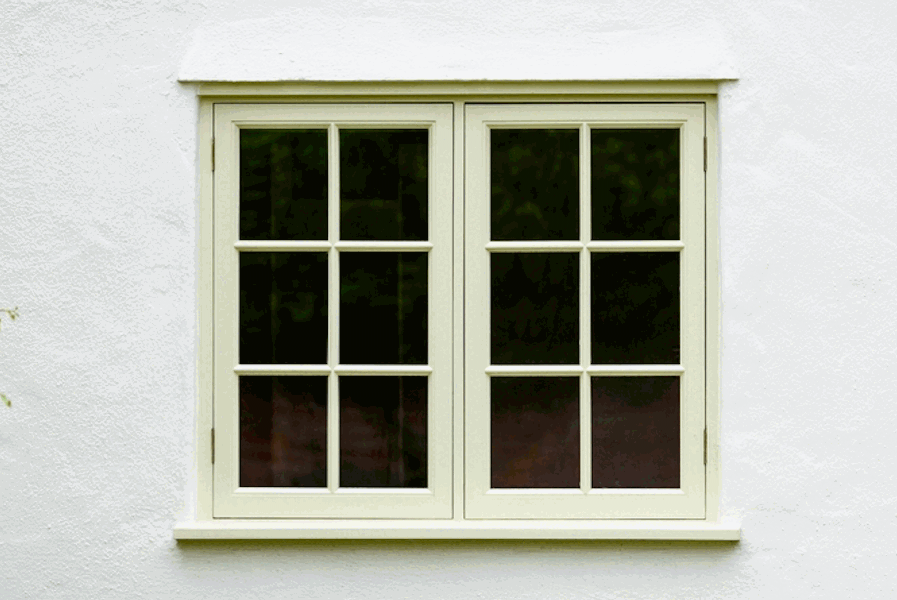
There are two main types of timber casement windows: flush casement windows and lipped casement windows. The main difference between the two is the casement lip that is visible from the outside.
With flush casement windows, the casement is level with the window frame, creating clean lines and a completely flat surface. On the other hand, the casement protrudes slightly from the frame when lipped casement windows are closed.
Softwood vs. Hardwood Casement Windows
Timber casement windows may also be categorized according to the type of wood used for its construction. Here are the two common types:
| Elements | Softwood Casement Window | Hardwood Casement Window |
|---|---|---|
| Wood source | Fast-growing trees: pine, cedar, fir, and yew | Slow-growing trees: oak, mahogany, birch, maple, and beech. |
| Durability | More prone to decay, insects, and rot | Resistant to decay, insects, and rot |
| Lifespan | 30 to 50 years | up to 60 years or more |
| Appearance | Light and rustic look | Timeless, vividly colored, has intricate grain patterns |
| Cost Range | £850 – £910 | £1,140 – £1,230 |
Choosing between softwood and hardwood casement windows largely depends on the factors that matter most to you. For instance, if you prioritize longevity, hardwood is an excellent choice, but if you’re looking to balance affordability and appearance, you may opt for softwood instead.
Cost of Timber Casement Windows in 2024
The price of timber casement windows varies depending on several factors such as window size, type of wood used, window treatments, glazing, and manufacturer. However, the average cost ranges between £850 and £1,600.
To give you a better idea of how much timber casement window costs in the UK, here is an approximate breakdown by size and glazing type, as well as in comparison with other frame materials.
Cost by size
| Window Size (w x h in mm) | Price Range |
|---|---|
| 600 x 900 | £850 – £1,000 |
| 1200 x 1200 | £900 – £1,500 |
Cost by glazing type
| Glazing Type | Price Range per Window |
|---|---|
| Double Glazing | £240 – £1,240 |
| Triple Glazing | £1,030 – £1,430 |
Cost of Timber vs Aluminium vs uPVC Casement Windows
| Number of Windows | Timber | Aluminium | uPVC |
|---|---|---|---|
| 1 | £1,150 – £1,830 | £740 – £1,150 | £370 – £960 |
| 2 | £2,290 – £3,660 | £1,490 – £2,290 | £740 – £1,920 |
| 3 | £3,440 – £5,490 | £2,230 – £3,440 | £1,120 – £2,880 |
| 4 | £4,590 – £7,320 | £2,980 – £4,590 | £1,490 – £3,840 |
| 5 | £5,740 – £9,150 | £3,720 – £5,740 | £1,860 – £4,810 |
| 6 | £6,880 – £10,970 | £4,460 – £6,880 | £2,230 – £5,770 |
Pros and Cons of Timber Casement Windows
Just like any other window type, timber casement windows have pros and cons that you should consider before installing.

Pros of Timber Casement Windows
1. Energy Efficiency
Wood is a natural insulator and when combined with double glazed window panes and draught-resistant seals, timber casement windows can regulate indoor temperature and reduce condensation. This means they can make your home warmer during the winter and cooler during the summer, thereby reducing your energy bills.
The table below compares the energy efficiency and environmental rating of timber casement windows with other materials. The lower the thermal conductivity, the more effective the material is at preventing heat loss.
| Material | Thermal Conductivity | BRE Green Guide Rating |
|---|---|---|
| Timber | 0.13 (Softwood) 0.18 (Hardwood) | A+ |
| uPVC | 0.17 | D |
| Composite | 0.40 | C |
| Aluminium | 160 | C-D |
Aside from its excellent thermal resistance, wood is also recyclable, making it environmentally friendly.
2. Durability and Long Lifespan
Wood provides exceptional structural integrity because of its natural fibres, so when installed and maintained properly, timber casement windows can last 2 to 3 times longer than the lifespan of their uPVC counterpart.
3. Soundproofing
Glazing seals timber casement windows tightly when closed, a technology that prevents air leaks while also providing soundproofing for your home. So if you live in a noisy neighbourhood, double or triple glazed timber casement windows can help minimize indoor noise.
4. Aesthetic appeal
Built with natural materials, timber casement windows give off a warm, homey feel and add character to any property. Their classic style and customisability also make them a suitable option for both traditional and modern homes. You can match their appearance to your personal preferences by staining or painting the timber frames with your desired color and style.

Cons of Timber Casement Windows
1. High Maintenance
Wood is prone to warping when exposed to moisture and damage from pests such as termites. However, this can be easily prevented with regular inspections, quality sealing, staining, and finishing.
2. High Cost
Compared to other materials such as uPVC or aluminium, wood is more expensive. However, with the excellent energy efficiency, longevity, and curb appeal of timber casement windows, many property owners find this window type worth the investment.
3. Lengthy Installation
Timber casement windows take longer to install compared to other window types as they require more finishing touches. However, you might find the longer installation time a minor setback if it means you can expect great quality and sophisticated-looking windows.
How Long Do Timber Casement Windows Last?
According to a study by Heriot Watt University, timber windows last 2 to 3 times longer than uPVC or aluminium windows. Windows made of uPVC can last for about 20 to 30 years, while wooden windows can reach 50 to 60 years or more, as long as it’s properly installed and well-maintained.
Depending on weather conditions and other environmental factors, you might not need to repair or repaint your timber windows for up to 10 years. However, it’s recommended to inspect and clean them regularly, spotting areas that may need to be repaired early on to avoid costly maintenance in the future.
Should You Install Timber Casement Windows?
If you’re looking to improve thermal insulation, durability, soundproofing, and appearance while reducing your home’s carbon footprint, timber casement windows are a great choice for you. However, it’s important to note that they come at a higher initial cost, take longer to install, and require ongoing maintenance.
If, after weighing the pros and cons, you do decide to invest in timber casement windows, make sure to compare quotes through a trusted service provider in the UK to get the best deals available.
What is a timber casement window?
A timber casement window is a type of hinged window that opens outward. It is made of timber or wood and is popular for its classic and sophisticated visual appeal.
Are timber casement windows energy efficient?
Yes, the natural insulating capacity of wood contributes to its thermal efficiency. When fortified with double or triple glazing, timber casement windows will offer both durability and high energy efficiency.
Do timber casement windows need more maintenance than uPVC and aluminium windows?
Compared to their uPVC and aluminium counterparts, timber casement windows may require more maintenance to preserve their quality. Apart from cleaning them twice a year, you also need to resand, repaint, and check for any signs of damage or decay whenever necessary.
Are timber casement windows environmentally friendly?
Properly sourced timber casement windows are environmentally friendly. Wood is renewable, biodegradable, and has a lower carbon footprint than other materials.
Now read:
Written By

Reviewed By
