
Smart Windows: Innovations in Double Glazing
Are you searching for eco-friendly design options for your smart homes or just want to keep up with the latest trends in window double glazing for your next window construction project? This article has got you covered.
Here, you will learn about the most useful technological advancements surrounding double glazed windows including their benefits, considerations, and affordability.

Key takeaways
• Triple glazed windows have higher energy efficiency than double glazed windows but are more expensive. To maximize their cost-effectiveness, they are more recommended for properties situated in noisy areas or locations with extreme weather conditions.
• Vacuum insulated glazing (VIG) produce efficient windows with higher insulating capacity and noise-reduction, however, they can be more costly than double and triple glazing. The same is true with Aerogel glazing system (AGS).
• Smart glass offers high energy efficiency, visual and thermal comfort, soundproofing function, and privacy.
• Self-regulating windows are promising innovations that can significantly reduce home or building maintenance costs, however, they are still in the early stages of development.

Compare Window Prices

Get quotes from local installers
1 fast form = 4 low quotes
Save up to £703 per year


What you’ll see here:
What are Double Glazed Windows?
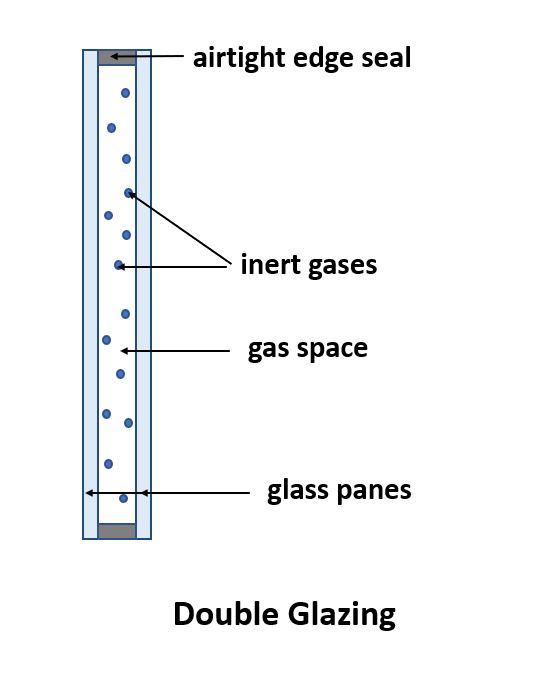
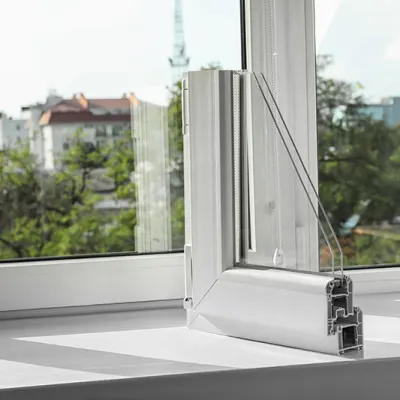
A double glazed or double paned window consists of two layers of glass panes that are sealed tightly together to prevent moisture, water, and foreign objects from getting in. Between the panes is a space, typically filled with argon or krypton gas that acts as effective heat insulators to keep homes and buildings warm during winters and cool during summers.
In recent years, double glazed windows have been considered the smarter choice as not only do they offer better comfort and convenience, they are also found to be more cost-effective than single paned windows.
Emerging Technologies in Double Glazing
While it’s long been established that double glazed windows provide superior insulation over single paned ones, innovators are still on the move to improving their overall efficiency, increasing their potential for customization, and widening their selection of smart features.
Here are three of the best cutting-edge technologies in double glazing so far:
1. Triple Glazing
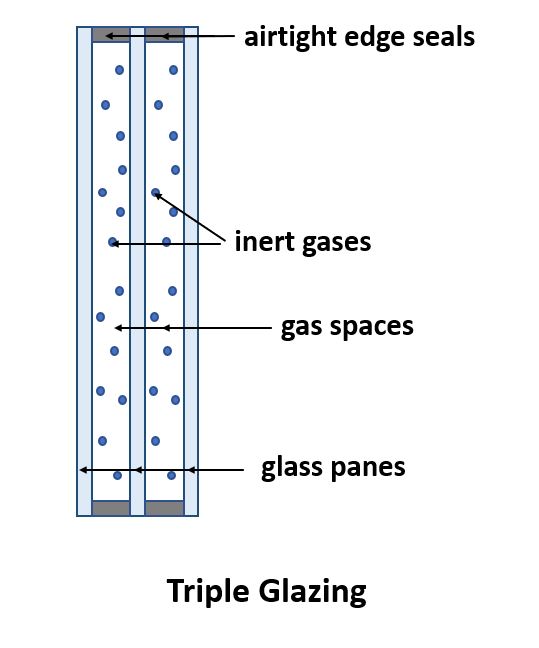
Described as an upgrade to the widely-known double glazing technique, triple glazing exhibits a relatively similar design, except that it’s now composed of three airtight glass panes with two gas-filled spaces in between.

Benefits
• Has lower heat transmittance (U-value) and higher thermal resistance (R-value) than double-glazing, translating to a much higher energy efficiency.
• The extra pane of glass improves the window’s insulating capacity, making possible a more stable temperature condition inside your home or building.
• Soundproofing is more refined because with every glass added, there is a corresponding decrease in noise transmission from the outside environment.
• Triple glazed windows have an average lifespan of 20 years.

Considerations
• Triple glazing is more expensive than double glazing. Depending on several variables, it can cost from £660 to £4,320 per window while double glazing costs around £660 to £3,600.
• When deciding between the two, consider the duration of your stay in your home or building. Will you be staying long enough to reap the return of investment in energy savings?
• Triple glazed windows are superior in decreasing thermal transfer so it might be a wiser choice for you if you live in extremely cold or hot regions. Otherwise, a double glazed window might be a better fit in terms of affordability.
• If you want to have an idea of how much a double glazed window installation costs in the UK, Ecopreneurist can help you get the best quote comparison from 38+ trusted companies.
2. Vacuum Insulated Glazing (VIG)
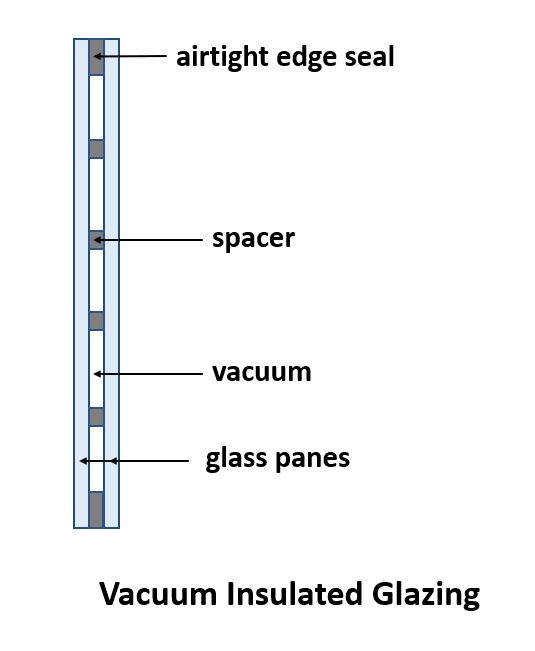
Another notable innovation in window construction is vacuum insulated glazing, a technique that resembles that of double glazing but instead of filling the space with inert gases, it is void of any gas to create a vacuum instead.
Benefits
• Heat and sound cannot travel through a vacuum, hence, vacuum insulated glazing makes for more efficient windows with higher insulating capacity and noise-reduction.
• The properties of a vacuum are the same regardless of its vastness. This enables the construction of thinner and lighter vacuum glazed window units.
• Vacuum glazed windows have higher solar energy input as it allows more heat and light into the room.
• According to Vacuum Glazing UK, properly maintained vacuum glazed windows may last up to 25 years or more.
Consideration
• Vacuum glazing is relatively expensive. It can cost 56% more than double glazed windows and 35% more than triple glazed units. However, the price difference varies depending several factors such as window size and frame materials.
3. Aerogel Glazing System (AGS)
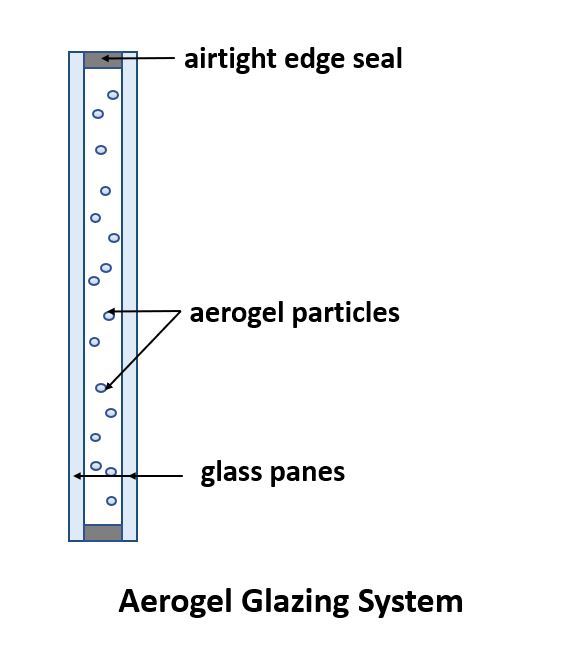
A novel glazing technology called Aerogel Glazing System (AGS) is currently gaining attention as it promises huge energy-saving potential. Aerogel is a silica-based material composed of 4% silica and 96% air (Aguilar-Santana et al., 2020). In an AGS, aerogel is used to fill the spaces between glass panes.
Benefits
• AGS has an ultra-low thermal conductivity which makes it a great heat insulator.
• About 21% decrease in energy consumption related to cooling, heating, and lighting may be attained compared to its double glazed window counterpart (Gao et al., 2016).
• Window heat gain may be reduced up to 57% while as much as 8.5% of cooling energy consumption may be saved when compared to double glazed windows (Leung et al., 2020).
• AGS has an effective soundproofing capacity due to its high porosity and specific surface area.
• In cold countries such as Oslo, Norway, the return on investment for an AGS can be as short as 4.4 years (Gao et al., 2016).
Considerations
• Aerogel glazing is more costly than double glazing as its production and application is at a relatively smaller scale.
• An AGS is translucent, therefore, has lower visible transmittance than clear glass (Leung et al., 2020).
Window and Glass Innovations
The performance and sustainability of glazed windows are not only determined by the type of glazing. With this, innovators are also discovering ways to improve the quality of glasses that may be integrated into a double glazed unit and the attributes of the window as a whole.
1. Smart Glass
Switchable glass, smart-tinting glass, dynamic glass, and privacy glass are some of the general terms used to refer to this trailblazing invention that allows windows to go from transparent to opaque with just a flick of a switch.
This technology works by sandwiching polymer dispersed liquid crystals (PDLC) or a suspended particle device (SPD) between two sheets of glass. Upon the application of an electric current, PDLC or SPD molecules align, making the window appear clear. Otherwise, the molecules scatter and the glass assumes its natural translucent (frosted) appearance.
Meanwhile, some smart glass units need no electricity at all and can change the window transparency as it comes in contact with heat (thermochromic glass) or light (photochromic glass).
Benefits
• Improves energy efficiency and offers visual and thermal comfort by allowing you to conveniently control the intensity of sunlight that can enter a room.
• Has the function of blocking harmful UV rays and infrared light.
• The layers of glass and switchable film have soundproofing properties.
• Easier maintenance as it eliminates the need for curtains or blinds that can harbour dust particles from the air.
• Privacy at your fingertips. The transparency of smart glass windows and even walls can be adjusted with a switch, a remote control, or a smartphone app.
Considerations
• The cost of smart glass windows depends on the type of smart glass installed and can range between £650 to £675 per square meter, excluding other construction and labour costs.
• Active smart glass can use around 3 to 5 watts of electric charge per square meter.
2. Self-regulating Windows
Imagine a window that can clean itself and auto-adjust the temperature of your room. Well, you might not need to imagine that any longer. Recent studies reveal that self-regulating windows, also called intelligent windows, might reshape the world of window construction as you know it.
Scientists from the University College London have invented windows that are engraved with air-trapping nanostructures to prevent water from attaching to its surface. Furthermore, the pattern of the nanostructures also gives the windows anti-reflective properties due to its vanadium oxide coating.
Another innovation was created by the European Consortium of Manufacturers and Suppliers, presenting an intelligent window (CLIMAWIN) that can preheat and cool itself using an unprecedented design of integrated vents.
Benefits
• Self-cleaning windows can significantly reduce maintenance costs in large buildings.
• Windows coated with vanadium oxide (thermochromic material) reduce the amount of light reflected within a room, prevent heat from escaping through the windows on cold days, and block UV radiation from entering during hot days.
• The CLIMAWIN recovers heat lost via conduction through incoming air, making the window a passive heat-recovery ventilation system.
Consideration
• Intelligent windows are still in their pilot stage, making their cost, longevity, durability, and applicability indeterminable for now.
Why Adopt the Window Glazing Technology?
As the adverse effects of irresponsible human activities become more evident year after year, there is now a serious need to make eco-friendly decisions in our everyday lives. In the field of home and building construction, it can be as convenient as opting for a glazing technology for existing or new windows.
Through the various window glazing innovations featured above, you now know how you can increase your property’s energy efficiency, reduce its greenhouse emissions, support energy conservation, and even lower your carbon footprint. All these whilst enjoying other benefits such as lowered energy consumption and maintenance cost, noise reduction, instant privacy, and optimized comfort.
You may try out Ecopreneurist’s free double glazing price-comparison tool today to kickstart your journey towards sustainable living.
Is triple glazing better than double glazing?
Triple glazing is better than double glazing in terms of energy efficiency. However, it is not always the most cost-effective choice. It is recommended for areas with extreme climate conditions or a noisy environment so if you live in a quiet area with mild weather, double glazing might be a better option for you since you won’t be needing the extra features offered by triple glazing.
Can the smart glass technology be integrated into double glazing?
Yes. Smart glass is among the glass types that can be used to build a double-glazed window unit. While you can expect this combination to cost more than regular double glazing, you’ll also enjoy the benefits of an energy efficient window with enhanced security and soundproofing features.
What are the differences between triple glazing, vacuum insulated glazing, and aerogel glazing system?
Triple glazing is a window technology where two layers of glass panes are sealed tightly together to prevent moisture, water, and foreign objects from getting in. Between the panes is a space, typically filled with argon or krypton gas that acts as effective heat insulators to keep homes and buildings warm during winters and cool during summers.
In an aerogel glazing system, aerogel is placed inside the space instead of inert gas while in a vacuum insulated glazing, the spaces are devoid of gas or any substances altogether.
Now read:

Written By

Reviewed By
