
Energy Performance Certificates (EPC) and Double Glazing
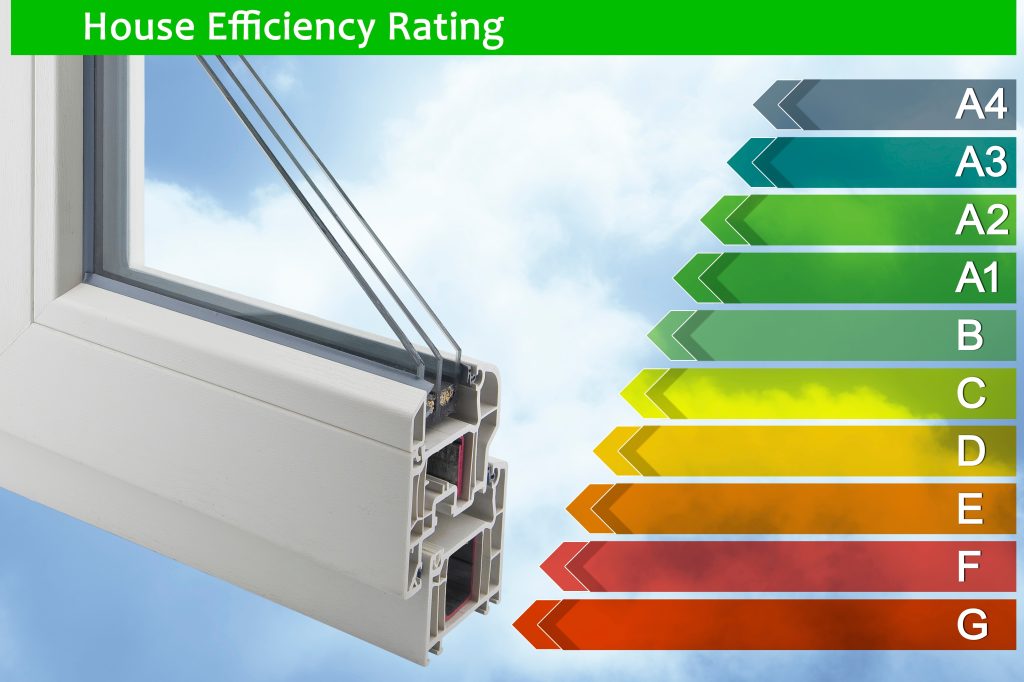
An Energy Performance Certificate (EPC) describes the level of a property’s energy efficiency and the areas where energy improvements can be made. Homeowners, landlords, or real estate agents need an EPC when buying or selling a property.
If you are in Scotland, you need to display the EPC on the property where it can be seen by an inspector if needed.

Key takeaways
- An EPC describes the energy efficiency of a home or building.
- You need an EPC when constructing, selling, or renting out a property.
- A good energy efficiency rating is a strong selling point for a property.
- EPCs are valid for 10 years from the date of issue.
- You can request a new EPC if you make energy improvements to your home, such as installing double glazing or wall insulation.

In this guide, you’ll find:
What an EPC Contains
An EPC has 5 main parts:
- A property’s performance rating
Graded A-G to, with A being the highest, an EPC describes a home’s current and potential energy efficiency rating. - Typical energy use, carbon dioxide emissions and fuel costs.
This covers the energy used in lighting, heating, and hot water; as well as their associated energy use and carbon dioxide emissions. - Summary of a property’s energy performance features.
This describes the building components (walls, roof, windows, main heating, etc.) that make up its energy efficiency rating. - Measures to improve a property’s energy rating.
This section describes the low-cost measures that property owners can implement to achieve a higher energy rating. - Enhanced measures to further increase energy efficiency.
This section recommends higher-cost measures to achieve a property’s potential energy rating. These measures include installing heating controls, condensing boilers and double glazed windows.
The Impact of Double Glazed Windows on EPC Ratings
- Double glazed windows improve a home’s insulation and reduce its fuel costs and carbon dioxide emissions.
- Double glazing can help property owners meet the required energy rating.
It’s common for assessors to recommend the installation of double glazed units in properties with less efficient single glazed windows.
In such instances, the assessor will give an estimated cost and the equivalent yearly savings. The assessor will also give an estimate of the new energy rating of your property if you decide to install double glazing.
Where to Get an Energy Performance Certificate
An accredited assessor evaluates properties and issues an EPC. Before searching for an assessor, check if your property has an existing EPC.
How to find an assessor:
- If you are in England, Northern Ireland, or Wales, you can find an accredited EPC assessor here.
- In Scotland, there is a slightly different process for requesting an EPC. Please visit the Energy Saving Trust’s website to find an accredited assessor in your area.
Properties that Do Not Require an EPC
Not all properties require an EPC. Exempt places include:
- Residential buildings that are intended to be occupied less than 4 months a year.
- Temporary buildings that are intended to be used for less than 2 years.
- Places of worship.
For a full list of EPC-exempt properties, please visit this link.
Who needs an EPC?
You need an EPC if you own a property in the UK that you want to sell or rent out.
Who is responsible for securing an EPC?
It is the duty of the landlord or seller to secure an EPC for a property.
For newly constructed buildings, the builder is responsible for providing an EPC, within 5 days of completion.
How much does an EPC cost?
As of 2024, an EPC typically costs between £60 and £120.
Should a prospective buyer or tenant pay for a valid EPC?
No. An EPC should be made available to a buyer or renter free of charge.
Does a seller or landlord need a new EPC each time they sell or rent a property?
No. An EPC is valid for 10 years and can be used multiple times during its validity.
What are the differences between current and potential energy rating?
The current energy rating is based on the energy features that are present in a property during the time of the assessment.
The potential energy rating is rating that a property can achieve if the recommended measures are implemented, such as installing double glazed windows or insulating a hot water cylinder.
What is the impact of double glazing on an EPC rating?
Upgrading from a single to a double glazed window can increase your home’s energy rating by 5-10 points.
Is there a minimum energy rating that property owners need to meet?
Rental properties need to achieve an energy rating of at least E. By December 2025, all new rental properties will need to meet a minimum rating of C.
Closing Thoughts
Are you thinking about installing double glazed windows? Start by weighing the benefits and costs of double glazing your property.
You can get quotes from reputable manufacturers and installers through our price comparison tool. If you need help, just let us know: we can request quotes for you at zero costs and no obligation.
Now read:



Written By

Reviewed By
