
Retrofitting Double Glazing on Heritage Buildings
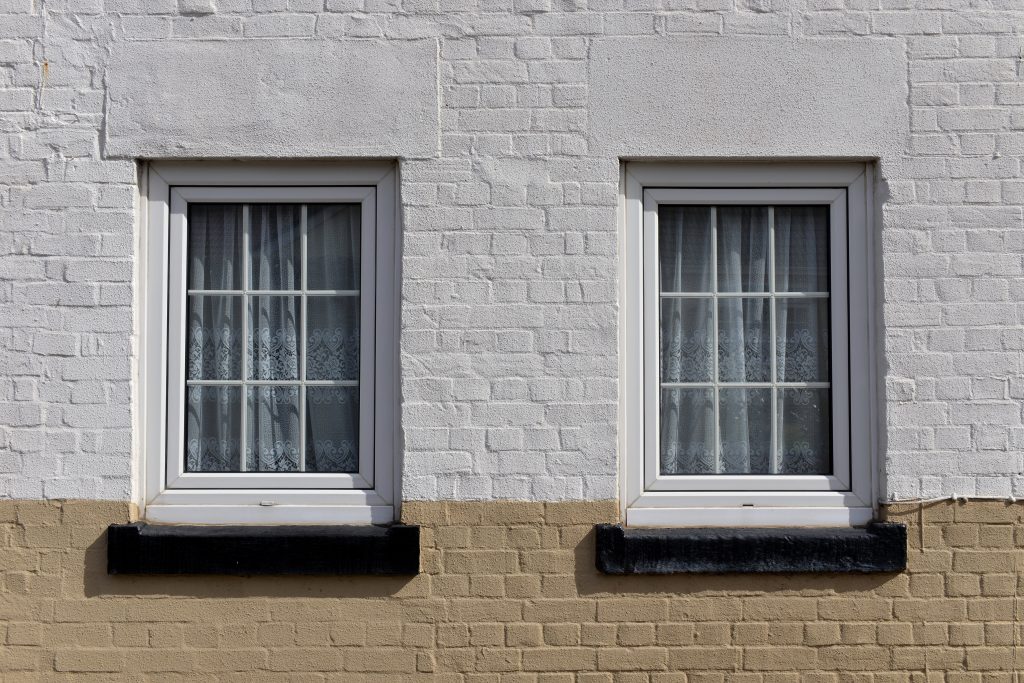
Ever wondered how those heritage or historic buildings are being kept especially their beautiful windows in tip-top shape? In this guide, you will be exploring ‘retrofitting’ or the way of giving a modern twist to those heritage gems.
- It’s better to repair historic windows with double glazing instead of replacing them completely to preserve their historic charm.
- Retrofitting double glazing can improve energy efficiency, enhances thermal comfort, and is better for the environment.
- Before making changes, it’s crucial to assess the historical windows to avoid unnecessary expenses.
- Challenges in retrofitting old buildings include missing documentation, outdated systems, and unexpected surprises, but the benefits outweigh these obstacles.
What you’ll find here:
Compare Window Prices

Takes less than 60 seconds
1 fast form = 4 low quotes
Save up to 37%


You know those old buildings all over the United Kingdom? They’re like time machines with their own cool stories. It’s important to keep them safe, especially the really old ones from the 1800s or earlier as they are rare finds.
Sometimes, these buildings have had changes over the years, including to their windows. So, by fixing or changing these windows, history can be preserved while making things work better too.
Understanding Heritage Buildings and Retrofitting
First off, losing old-style windows from older buildings is a big problem for preserving history. These windows are really important for the look and feel of historic areas. They’re not just regular windows but they’re like works of art, made with a lot of skill and often using better materials than what are used today. Plus, the glass in old windows has a unique look that’s hard to copy with modern glass.
However, nowadays, there’s a big focus on making buildings more energy efficient, which often means replacing old windows with new ones. There is a study that revealed that older buildings from the early 20th century and before actually use less energy than newer ones. But that doesn’t mean newer buildings can’t be improved to use less energy and be more eco-friendly.
Finding the right balance can be tough. You know, if you’re not careful with those energy efficiency upgrades, they can really mess with the charm of a historic building. Think bad indoor air quality, mold creeping in, and sometimes not even saving as much energy as promised.
This is where retrofitting steps in. It involves implementing strategic upgrades to enhance functionality and aesthetics. And get this, there are actually different types of retrofits that help old buildings:
- Seismic Retrofits
They increase the strength of buildings to better withstand earthquakes.
- Insulation Retrofits
It helps in maintaining a stable temperature within a building.
- Smart Energy Retrofits
It uses efficient systems to make old buildings use less energy.
To get things just right, experts recommend taking a big-picture approach. That means checking out the whole building and its story, getting why it’s important, and thinking about who’s using it. You might need different plans depending on whether you’re aiming to slash carbon emissions, save cash on energy, or stay within the rules.
Importance of Assessing Historic Windows
When people consider altering historic windows, they first need to determine the importance of those windows. They should examine factors such as:
- The materials used
- Their historical significance; and
- Their role in the building’s narrative
This approach helps avoid issues like overspending on unnecessary changes. Also, before making any changes to historic windows, owners should adhere to the guidelines to ensure they’re making the right decisions and preserving the building’s historic value.
Taking things carefully like this could actually make the building even more special as it gets all the attention it deserves. Additionally, following these steps equips owners with the necessary information to get permission for alterations to the building.
If you really have to make changes to those old windows, it’s better to fix them rather than replace them altogether. A well-maintained historic window can last longer than a new one made with lower-quality materials. Many old windows are made with special materials that are not used anymore, so fixing them up with care helps preserve these materials and keeps the building special for future generations.
The Need for Retrofitting Double Glazing
Heritage double glazing is a special kind of thin double glazing, measuring just 6 to 11 millimeters thick made specifically to fit into the narrow spaces of old wooden windows.
What’s cool about heritage double glazing is that it can be added to old windows without making them bulky or changing their original style. This means historic buildings can become more energy efficient without having to replace their original windows with new ones or add big extra layers of glass.
Actually, there’s a growing demand for retrofitting double glazing since it is a common belief that historic buildings often aren’t very energy-efficient. Here are a few key reasons why people often consider retrofitting double glazing:
- Energy Efficiency
When you retrofit double glazing, you’re adding an extra layer of glass to keep your home cozy and you are even able to cut your energy bills unlike buildings with single-pane windows, which let heat escape and waste energy.
- Thermal Comfort
Double glazing keeps indoor temperatures comfy, reducing chilly drafts in winter and keeping things cool in summer.
- Environmental Sustainability
Adding double glazing can help the environment by cutting energy use, which means fewer carbon emissions and a smaller environmental footprint.
Challenges and Considerations
Building owners have a responsibility to make it more eco-friendly and energy-efficient aside from improving their properties. But, there are some things you need to think about:
- Documentation Absence or Incompletion
Owners of old buildings often lack proper documentation, like incomplete blueprints or missing manuals. Without this information, it’s hard to understand how the building’s systems function together. The only solution is to send someone to the site to recreate all the documentation from scratch.
- Outdated Systems and Protocols
Many old buildings use outdated systems that aren’t supported anymore. This makes it hard to mix new systems with the old ones. Sometimes, it has to use flexible software and platforms to make everything work together.
- Unexpected instances
Old buildings can be full of surprises. Sometimes, appliances, pipes, valves, or software don’t work like they should. Fixing these issues might mean more visits and costs, throwing unexpected hurdles into the retrofitting journey.
All in all, upgrading from old single-pane windows can bring innovation to the table. You’ve seen how double-glazing plays an essential role in promoting sustainability, energy efficiency, and preserving history.
Looking ahead, it’s clear that embracing retrofitting is important for the future of architecture. Technology, such as double glazing, isn’t just a solution, it’s a commitment to a sustainable, comfortable, and visually appealing future.
Will retrofitting double glazing alter the appearance of my heritage building?
Yes, it’s possible to alter the appearance, but typically, only minimal alterations to the original appearance occur. Suppliers usually provide customized solutions that closely match the existing frames and profiles, ensuring the new windows blend seamlessly with the building’s historical aesthetics.
Are there any regulations or restrictions for retrofitting double glazing on heritage buildings?
Yes, regulations and guidelines govern double glazing retrofitting on United Kingdom heritage buildings, varying based on listing, location, and local planning authority. Consultation with conservation officers, heritage experts, or local planners is essential to ensure compliance and obtain necessary permissions before starting any retrofitting work.
Can double glazing be installed on all types of heritage buildings?
No, while double glazing can be added to various heritage buildings, there are cases where it’s not feasible or advisable. Older buildings with fragile window frames might need careful assessment to see if they can support modern double-glazing units.
Now read:

Written By

Reviewed By
