
How Double Glazing Can Reduce Your Energy Bills in the UK
How much electricity can you save over the years from double-glazing?
Here are some facts:
- Replacing single-glazed windows with A-rated or A++-rated double-glazing in a semi-detached house can save between £175 and £235 annually (Energy Savings Trust).
- Installing double-glazed windows that meet today’s standards could yield annual savings of as much as £395 for homeowners (The Glass and Glazing Federation (GGF)).
- Replacing single-glazed windows with double-glazed ones can save 39-53% of energy in commercial buildings (Sheffield Hallam University).
Energy efficiency is why double glazing has become a standard in UK homes. It’s why the government mandated that any replacement or new windows post-2002 must be double-glazed.
Keep reading this guide to know what makes double glazing so effective in lowering electricity bills.
What you’ll find here:
How Double Glazing Reduces Your Energy Bill
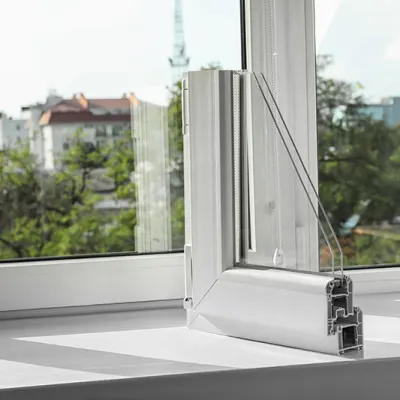
Double-glazed windows feature an air gap between two glass layers, enhancing insulation against heat movement from outside to inside. This gap (typically between 5-12mm) is often filled with a gas like argon, chosen for its low heat conductivity, which further minimises heat loss.
Using argon gas instead of air can increase the window’s insulation effectiveness by up to 30%. PVCu and aluminium frames, known for their durability and efficiency, are commonly used.
In terms of the glass, they can be:
- float (flat finish)
- laminated (2 sheets), or
- toughened (with heating tempering)
Windows tend to become less efficient as they age due to material deterioration and potential gaps or gas leaks, leading to heat and financial loss. Upgrading from older, G-rated single-pane windows to A++-rated double glazing can result in substantial savings.
Let’s make some calculations. In January 2024, the average annual cost of gas and electricity bill for a three-bedroom house was around £2,008. Energy Savings Trust says that annual energy savings can reach £195 for semi-detached homes with the latest standards of A-rated double-glazed windows.
If you upgrade your windows to A-rated, your annual energy bill can be reduced to £1,813. By year 10, your total yearly savings can reach £1,950.
Let’s think even more long-term. A double-glazed window typically has a 25-year lifespan and installing A-rated windows for a semi-detached home in 2024 can cost £3,600.
By year 25, your total energy cost savings can reach £4,875, 35% higher than the installation costs.
In addition, low-emissivity (low-E) glass, featuring a very thin metal oxide coating on an internal surface, can further enhance the energy efficiency of double-glazed windows. It effectively reflects heat back into the interior while allowing natural light to enter.
Comparing Double Glazing with Alternatives
The British Fenestration Rating Council (BFRC) provides certificates to validate the energy efficiency levels of windows, doors, and skylights, evaluating a mix of criteria, including the U-value.
U-values are a way to measure how good windows are at keeping heat inside or outside. The lower the U-value, the better it is at keeping heat from passing through it quickly.
According to the Building Regulations for 2023, a good U-value for windows is 1.4.
Below is a summary of average U-values for different glazing types:
| Glazing standard | U-value |
|---|---|
| Old single glazing | >4.8 |
| Old double glazing | >2.4 |
| Double glazing + Low-E + Argon gas | 1.22 |
| Triple glazing + Low-E + Argon gas | 0.80 |
Installers will have their U-value rating based on data-backed assessments of their windows. But if your home still has old single-glazed windows, you may need to crank up the heat.
In addition, pending regulations in England may require windows to achieve a U-value of 0.8 or lower, likely making triple glazing a standard for new constructions starting in 2025.
UK Homeowners Prefer Double Glazing
According to a 2023 survey by Legal & General Surveying Services:
- Double glazing led as the preferred energy-saving upgrade among homeowners, recognized by 86% of surveyed experts, edging out roof insulation (which 80% mentioned).
- The study also highlighted less common yet potentially cost-effective options like solar panels, air source heat pumps, and smart metres, which align with homeowner preferences for sustainable living.
- Search interest in eco-friendly homes has surged by 34%, with buyers ready to pay a 10.5% premium for properties that have a low carbon footprint.
- About 13% of homeowners are utilising equity from their property to fund energy-efficient upgrades amidst growing concerns over high utility costs.
In another 2023 survey by Butterfield Mortgages, 66% of UK homeowners said they wanted to make their homes energy-efficient. As such, installing double or triple glazing was the second most common upgrade.
Increasing concerns about unstable energy prices drive these decisions. According to Parliament, the average annual bill for typical gas and electricity consumption under the October-December 2023 direct debit price cap was set at £1,834, a reduction from the previous £2,380 Energy Price Guarantee.
But this was still 51% higher than Winter 2021/22. The cap is expected to rise by 5% to £1,928 in early 2024, with projections indicating a decrease to approximately £1,800 for the remainder of the year.
Installation and Maintenance Insights
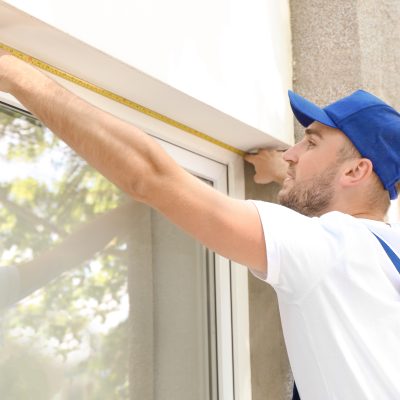
If you want to upgrade your windows, you can’t go wrong with professional installation providers with the right accreditations. Some of the certifications or memberships to look for in window installers are from:
- FENSA – a government-approved program that ensures compliance with building regulations for replacement windows and doors. All FENSA-approved installers, from large national brands to small local firms, undergo regular assessments.
- The British Fenestration Rating Council (BFRC) – the UK’s leading authority for certifying the energy performance of windows and doors, using a rainbow-coloured window energy rating (WER) scheme. This scheme rates windows from A++ for the highest energy efficiency to E+ for the least.
- The Glass and Glazing Federation (GGF) – a government-recognized body representing and overseeing firms engaged in manufacturing, supplying, or installing glass and glazing products in the UK and globally.
Companies with showrooms can also be a good choice because you can see the products for yourself and consult with on-site experts.
In addition, reading reviews and comparing warranty conditions can inform you which installers offer the best after-sales service. Generally, window installation warranty for different parts can last 5-10 years.
Here are some of the terms to give you an idea:
| Warranty | Length |
|---|---|
| Hardware (frames, handles, sashes, etc.) | 10 years |
| Workmanship | 5-10 years |
| Sealing | 10 years |
| Stain and paint finishes | 5-8 years |
To ensure your window installations meet UK Government building regulations in England and Wales (particularly if you live in a conservation area), select an installer affiliated with a recognized competent person scheme, which guarantees compliance certification upon completion. For installations by non-registered installers, prior building control approval is required, details of which are available on the Planning portal.
In Scotland, contact the local authority’s building standards office to know if a building warrant is necessary for new windows.
Financial Assistance and Incentives
The government has several grants if you want to lower your energy bills by installing double-glazed windows.
Energy Company Obligation (ECO4) Scheme
- This is aimed at low-income households on qualifying benefits, offering support for energy efficiency improvements and potentially covering total costs.
- It provides grants of up to £14,000 for double glazing under its help-to-buy windows scheme.
- The energy supplier distributes grants and evaluates homes to identify the most effective energy-saving upgrades.
- However, recipients may need to contribute towards the costs.
- Under ECO4 Flex, also known as LAFlex, local authorities may refer you for eligibility.
Great British Insulation Scheme
- Complementing the ECO4 initiative, this scheme targets households previously ineligible for energy-efficient funding.
- This new scheme focuses on aiding vulnerable households and those residing in properties with low energy performance, offering financial support for home improvements to help reduce energy bills.
- While the scheme does not cover new windows or draught-proofing, industry trade associations and manufacturers highlight the significant energy bill savings achievable through home insulation upgrades, including the benefits of double-glazing and draught-proofing.
- Eligibility for the scheme is determined for households with an Energy Performance Certificate (EPC) rating of D to G, and located in Council Tax bands A to D in England and A to E in Scotland and Wales.
Home Upgrade Scheme
- With local authority funding, this scheme was launched to aid 25,000 homes with energy-efficient and low-carbon heating improvements from April 2023 to March 2025.
- It targets 45 local authorities in England, specifically assisting low-income households off the gas grid, including renters, homeowners, and those in social housing.
- Eligibility also hinges on having an EPC rating between D and G and residing within the participating local authorities.
- Households must either have a gross annual income under £31,000 or be located in areas recognized for economic deprivation (according to the Indices of Multiple Deprivation).
Affordable Warmth Scheme
- The Affordable Warmth Scheme in Northern Ireland assists low-income households with up to £7,500 in funding for energy-efficient home improvements, targeting those earning less than £23,000 annually.
- It prioritises enhancements in a structured manner, starting with cavity wall insulation and draught proofing under Priority 1, followed by heating system upgrades, including boiler replacement in Priority 2.
- Priority 3 focuses on replacing single-glazed windows, and the final stage, Priority 4, addresses the provision of solid wall insulation.
Warmer Homes Scotland
- The Home Energy Scotland grant, initiated by the Scottish Government in 2015, is designed to support low-income, energy-inefficient households in Scotland by providing up to £7,500 for energy efficiency improvements or installing low-carbon heating.
- Homeowners in rural areas are eligible for up to £9,000.
- The scheme covers the cost of replacing single-glazed windows with double-glazing but excludes households already with double-glazed units.
- Eligibility extends to new home builders who meet specific criteria.
Other financial plans to consider:
- Green Deal Loan – This loan offers financial support for energy-saving home improvements in England, Wales, and Scotland following an assessment by an approved assessor. Repayment schemes are tailored, with assessors also recommending local installers for the upgrades.
- Barclays Greener Home Reward – This program, targeted at homeowners with a residential mortgage from Barclays, offers a minimum of £500 to support a range of energy-efficient upgrades. This initiative is accepting registrations until 31 July 2024.
Now read:

Written By

Reviewed By
